
More Than Selfies in Your Pocket—Your Cell Phone’s Secret Life as a Wildlife Lifeline
Matthew Russell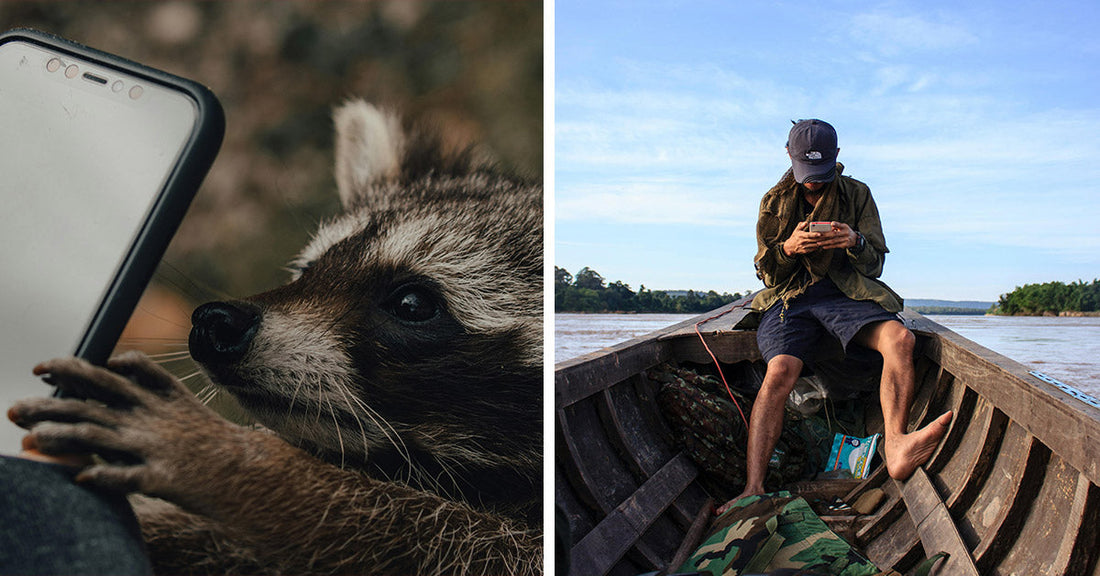
Stop for a moment and picture the last photo you snapped on a trail. GPS coordinates quietly rode along with that image. Wildlife ecologist Heather Abernathy calls this digital breadcrumb “literally just data from your cellphone,” yet she and colleagues at Colorado State University are turning it into a new layer of habitat intelligence, Colorado Public Radio reports.
When anonymized location pings from thousands of hikers are overlaid with GPS-collared elk, researchers can see where human foot traffic squeezes migratory corridors and decide where a simple sign—or an underpass—could keep hooves and boots apart.

Cell phone GPS trails reveal hidden wildlife corridors.
Mapping the Invisible Encounters
During a single month in coastal California, Abernathy’s team tallied 13,000 human–mountain-lion overlaps none of the people ever noticed.
“To me, it’s comforting,” she told Colorado Public Radio, because the big cats mostly slip away before we spot them.
Knowing when and where those silent encounters peak lets park managers time trail closures so stressed wildlife can rest instead of relocate.
Cell-phone analytics are already a staple of disaster response. The same mathematics that traced evacuations after Haiti’s 2010 earthquake now guide conservation planners. Mobile data offer “innovative ways to monitor and possibly solve some of the most pressing conservation problems that animal populations face,” note marine ecologist Rob Harcourt and co-authors in The Conversation.
Put plainly, the movements of people often explain the movements—or the disappearances—of wildlife.

Smartphones empower citizen science on every hike.
Apps That Put Rangers a Step Ahead
On the ground, smartphones are replacing notebooks in the war on poaching. In India’s Mudumalai Tiger Reserve, guards log tiger sightings and suspicious footprints with a dedicated phone app that uploads location-stamped intel in real time, according to The Conversation.
Across Africa, similar tools knit together patrol routes, carcass discoveries, and even text messages harvested from confiscated poachers’ phones to reveal trafficking networks. Faster data mean faster backup, and that can be the difference between a rescued rhino calf and a bullet-scarred carcass.
Listening for Chainsaws From Half a World Away
Old phones can fight logging even where cell service is patchy. National Geographic Explorer Topher White outfits discarded handsets with solar panels and extra microphones, then hoists them into rainforest canopies. The DIY devices identify chainsaws a mile off and text alerts to local authorities.
On the very first field test in Sumatra, rangers followed a ping and “caught illegal loggers in the act,” White told National Geographic.
Donating your retired phone to White’s nonprofit Rainforest Connection means its second life could save first-growth trees.

Fishery apps flag illegal trawlers in protected waters.
Recycle to Rescue—Literally
Even a phone too old for apps can still help wildlife. Every handset houses tiny capacitors made with tantalum, a metal refined from coltan ore mined in places like the Democratic Republic of Congo. Demand for cheap coltan lures thousands of illegal miners into gorilla habitat, fueling forest loss and bush-meat hunting.
Reusing phones or sending them to certified recyclers trims demand for fresh ore and “may save animals and their habitat,” explains the Minnesota Zoo. It is the easiest conservation act you can perform from your kitchen junk drawer.
Citizen Science at Highway Speed
Roadkill hot spots change with seasons, yet highway agencies rarely keep pace. Enter crowd-sourced apps that let drivers and cyclists snap a quick geotagged photo of an animal strike. The resulting heat maps steer funds toward wildlife crossings exactly where they are needed, a solution heralded by researchers interviewed in The Conversation.
Similar logic powers Whale Alert, which merges ship GPS data with whale locations so captains can throttle down before collisions turn fatal.

Each selfie can silently support conservation science.
Joining the Conservation Tech Wave
Fauna & Flora calls mobile apps one of the conservation-tech “game changers” that anyone can deploy, alongside drones and AI-assisted camera traps. You do not need to be a field biologist to contribute. You can:
- Leave location services on when hiking to enrich anonymized datasets.
- Install citizen-science apps that log wildlife sightings or roadkill.
- Donate spare phones to Rainforest Connection or certified recyclers.
- Share real-time whale alerts with boaters in coastal communities.
- Encourage local agencies to use mobile data when planning crossings and corridors.
A phone spends most of its life within three feet of its owner. That closeness, coupled with global coverage, makes it an unrivaled conservation tool. The next time your screen lights up, remember: a swipe, a snap, or a dusty handset mailed to the right program can ripple outward to protect habitats, thwart poachers, and keep mountain lions ghosting through the dark—right beside us, yet safely unseen.