
Scientists Discover Chimpanzees Ingest the Equivalent of Multiple Cocktails A Day
Matthew Russell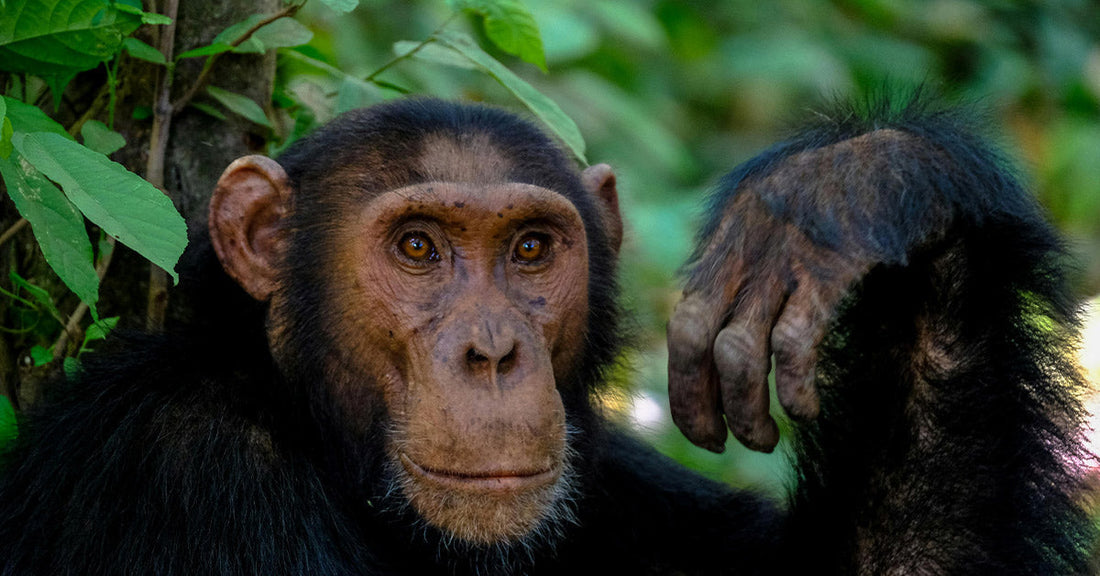
Wild chimpanzees are taking in a measurable dose of alcohol each day—without lifting a gourd or gourd “cup.” New field measurements of naturally fermenting figs and other fruits in Uganda and Côte d’Ivoire suggest chimps ingest about 14 grams of ethanol daily, roughly the equivalent of two human cocktails when adjusted for body mass, Reuters reports.

Wild chimpanzees eat large amounts of ripe, fermenting fruit.
How Researchers Measured the “Boozy” Bite
Scientists sampled ripe, fermenting fruits chimps routinely eat and calculated ethanol exposure based on typical intake—about 10% of a chimp’s body weight in fruit per day, according to BBC News. The result: ~14 grams of ethanol, spread across many hours of foraging.
“It’s difficult to say how much consuming this amount of dietary alcohol would affect the behavior of chimpanzees,” lead author Aleksey Maro told Reuters, noting any effects likely depend on feeding pace and volume.

The fruit contains measurable levels of ethanol.
Not Drunk—Just Fruiting
Despite the numbers, researchers observed no staggering apes. The alcohol arrives in small doses over long stretches, limiting intoxication. UC Berkeley’s Robert Dudley, senior author on the study, ties the pattern to his “drunken monkey” hypothesis—that primates evolved to seek energy-rich, fermenting fruit. He told Reuters the intake is “advantageous for caloric gain and ultimately survival.”
Sharing Fermented Breadfruit
Separate camera-trap footage from Guinea-Bissau shows wild chimps repeatedly eating and sharing African breadfruit containing ethanol, with tested levels up to 0.61% ABV, according to a study published in Current Biology. The behavior—passive sharing in most cases—occurred even when other fruits were available, suggesting fermented items are valued foods, the authors report.
The University of Exeter team notes this could reflect nutritional payoffs and social bonding benefits; “drinking alcohol leads to a release of dopamine and endorphins,” researcher Anna Bowland told Phys.org.

Chimps ingest about 14 grams of ethanol daily.
Why It Matters for Us
Adjusting for body mass, a typical chimp’s daily intake resembles a person’s two standard drinks, researchers told New York Post. Maro added that “human attraction to alcohol probably arose from this dietary heritage.”
Outside experts stress context: chimpanzees were not getting drunk, and any benefits likely relate to calories, sociality, and fruit availability.