
This State Shows How Civil Courts Could Speed Up Animal Rescues
Matthew Russell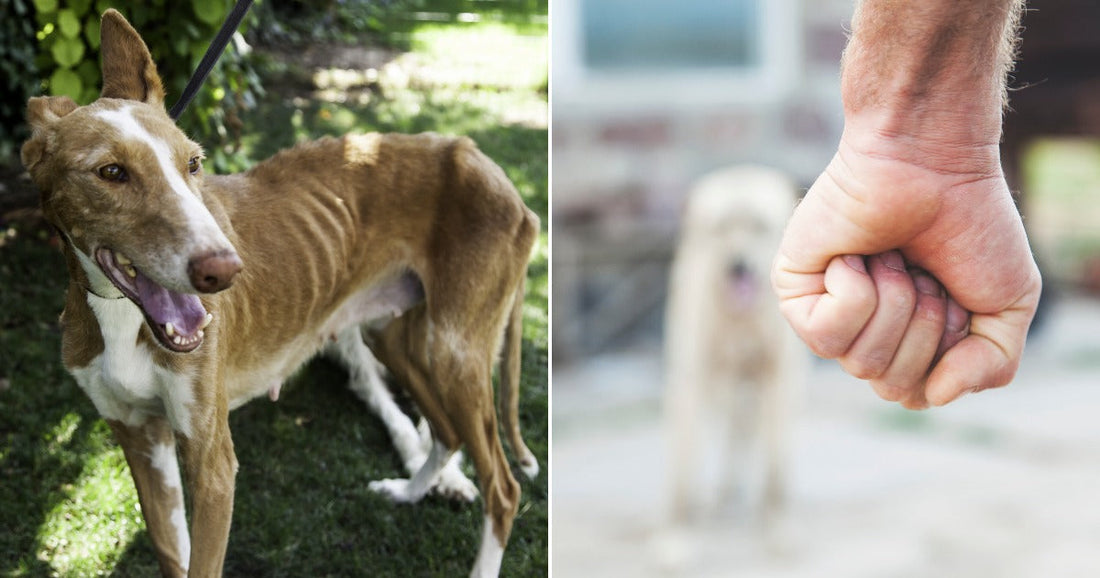
A dog chained outside without shelter. Cats in a hoarded home without food or water. A horse with untreated wounds. In each of these situations, law enforcement and animal-control officers often know something is wrong—but getting legal access to intervene is another matter entirely. Criminal warrants take time. Probable-cause standards are high. And while paperwork moves through the system, the animal stays where it is.
That gap between suspicion and action is exactly what a growing number of advocates and lawmakers want to close.

What New York's Senate-Passed Bill Would Do
In May 2026, the New York State Senate advanced a package of legislation targeting animal mistreatment across multiple fronts. One of those bills, S.3073A, takes a civil rather than criminal approach to the problem of access. Under the proposal, police officers, animal-control officers, and humane agents could petition a civil court for an inspection order when credible evidence suggests a companion animal is being mistreated. If the court grants the order, an animal-care hearing must follow within 10 days. The bill also establishes procedures for forfeiture of animals and recovery of shelter-care costs.
The civil pathway matters because it operates on a different standard and timeline than criminal prosecution. It's designed to get eyes on the animal quickly—not to bypass due process, but to move at a speed that reflects the animal's reality.

The Reporting Gap That Already Exists
Even before any intervention is possible, authorities have to know there's a problem. That's harder than it sounds. Veterinarians are uniquely positioned to spot signs of abuse, yet mandatory reporting laws for animal cruelty vary dramatically by state. The Animal Legal & Historical Center at Michigan State University tracks these laws, and the map is uneven—many states have no such requirement at all. The Animal Legal Defense Fund has documented the patchwork of reporting frameworks across the country, noting that without clear legal obligations, potential abuse goes undetected at the very moment it could still be stopped.

Why Speed Is the Issue
Animal shelters absorbed enormous strain in 2025. According to an ASPCA report on data compiled by Shelter Animals Count, intake figures remained high while outcomes for animals in distress stayed precarious. Every delay in removing an animal from a dangerous situation increases the likelihood of lasting physical harm—or death.
There's also a human dimension. Research highlighted by The Conversation documents the well-established link between animal maltreatment and family violence: the two frequently occur together in the same household. Faster civil tools for animal rescue can also function as an earlier warning system for human danger.

Legislative Momentum Is Building
New York isn't alone in revisiting how animal protection laws function in practice. AAHA Trends Magazine and Humane Herald have both tracked a wave of state-level animal welfare legislation moving through legislatures in 2026. The policy conversation is active. What's needed now is for more states to move from discussion to action—adopting civil inspection frameworks that match the urgency of the problem.
Animals in crisis don't have the luxury of a slow-moving process. A 10-day hearing mandate and a civil inspection pathway aren't radical ideas. They're practical tools that already exist in one chamber of one state legislature, waiting to be used.
Click below to make a difference.