
Bonded Shelter Dogs Woody and Buzz Lose Two Homes but Refuse to Lose Each Other
Guest Contributor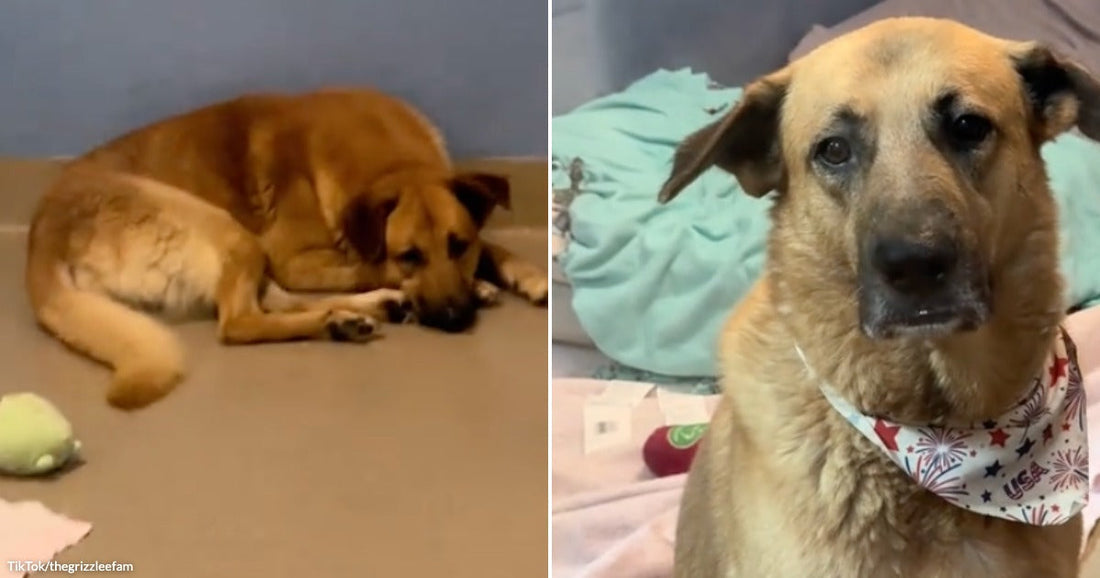
Some friendships feel meant to be, and for two bonded shelter dogs named Woody and Buzz, their connection has been the one constant in a string of upheavals. Their story, shared by PetHelpful and amplified on TikTok and Facebook, is both heartbreaking and heartwarming. It highlights how resilient shelter dogs can be, how often they are returned for reasons beyond their control, and how powerful online communities can be in helping them finally find a forever home together.
Woody and Buzz are Shepherd mixes who entered the shelter system in California after being found as strays. From the start, they appeared inseparable. Shelter staff recognized them as a bonded pair, meaning their emotional well being was closely tied to staying together. For dogs like this, a successful adoption involves not only finding a good home but one willing and able to take them as a duo.

Their journey was far from straightforward. According to the reporting, Woody and Buzz had already been returned to the shelter twice. The first time, they were relinquished due to a housing issue. That kind of situation is painfully common in rescue work. A landlord’s rules, a move, or a change in living circumstances can unravel what once seemed like a secure arrangement for a pet. The second time, the dogs were returned because they did not do well with livestock in their new environment, despite that home initially sounding ideal for energetic dogs like them.
Social media played a major role in their story. Woody and Buzz had already gone viral once before, which led to their earlier adoption by a family with a ranch. When that placement failed due to compatibility issues with other animals, they found themselves back at Animal Friends of the Valleys, a shelter that serves communities in California. The return meant more transition and stress for the dogs, who had to readjust to noisy kennels and a rotating cast of faces after tasting life in a home.

TikTok/thegrizzleefam
The Friends of AFV Facebook page, which highlights adoptable animals from the shelter, helped keep their story in the public eye. At the same time, TikTok videos featuring the pair circulated again, drawing renewed attention to their plight. Viewers saw two devoted companions leaning on each other in an overwhelming environment and responded with concern, encouragement, and hope. One commenter, @corleiigh, captured the prevailing sentiment with a wish that “Woody and Buzz… get the forever home [they] deserve to be loved and cared for.”
Woody and Buzz were described as dogs who “haven’t been able to catch a break,” a phrase that underscores how many shelter dogs are caught in circumstances they cannot influence. Still, through each setback, they had each other. The image of two dogs side by side after multiple returns resonated with people who understand that animals form deep emotional bonds. Their story shows why many shelters advocate keeping bonded pairs together in adoption whenever possible, even if that sometimes makes it harder to place them quickly.

TikTok/thegrizzleefam
In time, the renewed wave of attention helped deliver the outcome their supporters were hoping for. Friends of AFV shared that Woody and Buzz were adopted again, this time once more as a pair. Details of their new family were not provided, which respects the adopters’ privacy, but the key point is clear. After so many false starts, the dogs finally left the shelter together. Viewers and readers were left to imagine them settling into a new routine, with their favorite companion always nearby.
Stories like Woody and Buzz’s invite a closer look at why shelter dogs are sometimes returned, even when adopters have good intentions. The article notes that there is no single reason pets go back to shelters. In the case of these two, the first return was linked to housing, and the second to difficulty with other animals on the property. Broader research cited in the coverage indicates that age and breed are significant predictors of relinquishment. Toy and Terrier breeds are generally less likely to be surrendered than many other dogs. Larger dogs, herding breeds, and certain mixes may face more instability in adoption outcomes.
Behavior also plays a meaningful role. Some dogs have high energy, a strong prey drive, or anxiety that may not match what an adopter is prepared to manage. Other times, the dog’s behavior is not the main factor at all. Instead, external pressures such as changes in finances, family dynamics, or housing policies push people into returning a pet they might otherwise wish to keep. The article emphasizes that every dog has a story and that each one deserves a stable, loving home.
For potential adopters, this context can be both sobering and empowering. It highlights the importance of looking honestly at lifestyle, home environment, and long term plans before bringing an animal home. Considering issues like whether there are livestock, other pets, children, or frequent moves in the picture can make it easier to choose a dog whose needs align with the household. It also reinforces why shelters ask detailed questions and sometimes recommend particular dogs over others for a given situation.
At the same time, the path Woody and Buzz took from strays to a shared forever home shows how community support can change outcomes. People who cannot adopt can still contribute in meaningful ways by sharing posts, leaving supportive comments, or simply helping boost visibility. For Woody and Buzz, the combined reach of TikTok and Facebook helped keep them on potential adopters’ radar until the right person or family came along. I found this detail striking because it demonstrates that even small acts of engagement online can have tangible effects for animals in need.
Ultimately, the story of these two Shepherd mixes is about loyalty and persistence. They endured the confusion of multiple moves, the noise and stress of shelter life, and the disappointment of going back after adoptions that did not work out. Through it all, they remained a pair, offering each other comfort and stability. Their final adoption together represents not just a happy ending for two individual dogs but also a reminder that every return is not the end of the road. With time, care, and a bit of collective attention, even animals who “haven’t been able to catch a break” can find the home they deserve. Read more at https://www.aol.com/articles/2-shelter-dogs-returned-twice-002000000.html