
Eight-Month-Old Puppy Loses His Home for Something He Cannot Understand
Guest Contributor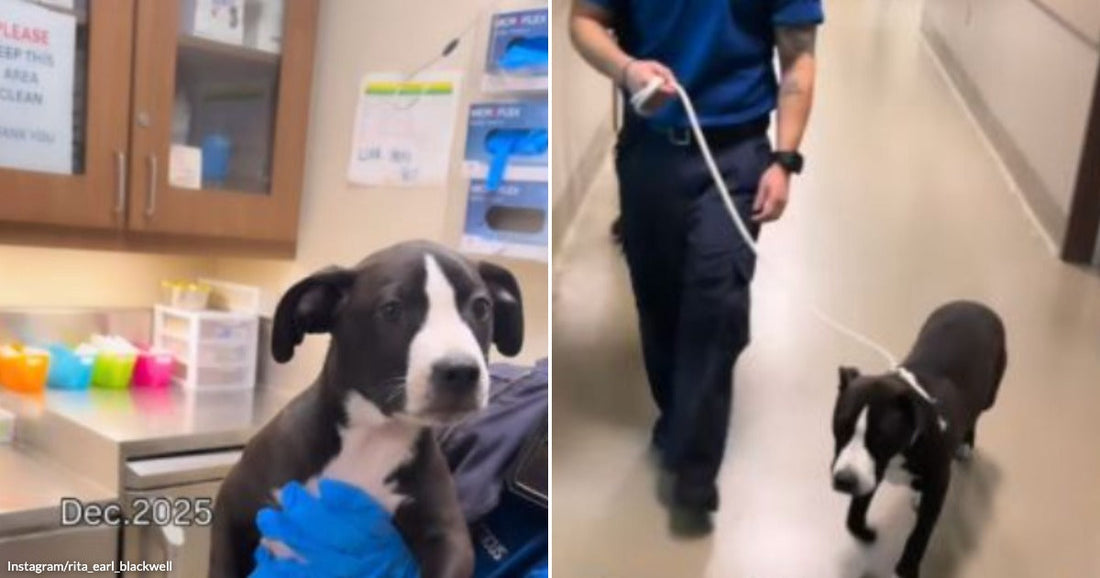
For many animal lovers, shelter stories carry both heartache and hope. The recent journey of Wally, a young dog returned to a shelter over “breed restrictions,” captures both sides of that emotional spectrum. His story, shared widely on social media, highlights how housing rules can shatter carefully built bonds, while also showing the power of online communities to help pets find their way back into loving homes. In this case, a dog returned to shelter life did not mean the end of his story, but a new beginning.
According to the account shared on Instagram, Wally is an 8‑month‑old neutered dog who weighs about 50 pounds. He first entered the Los Angeles County Palmdale Animal Care Center as a much smaller puppy, where he quickly caught the attention of staff and volunteers. In an Instagram reel posted by Los Angeles animal advocate and shelter volunteer Rita Earl Blackwell, viewers see Wally at two very different moments in his young life. The first images show him as a tiny puppy cradled in the arms of staff. The later scenes reveal a bigger, still sweet, adolescent dog sitting quietly beside a staff member after being brought back through the shelter doors.

The reel’s on‑screen text explains that Wally was recently “just returned to the shelter.” The reason given in his surrender notes is one that many pet guardians dread: his previous family could not find housing that allowed his breed. That detail has struck a chord with many viewers who understand how housing rules and breed restrictions can suddenly disrupt even the most devoted homes. The video makes it clear that Wally’s return was not framed as a behavioral issue or a lack of affection. Instead, he is described as a dog caught in the middle of limited housing options.
His surrender notes, as described in the post, paint a picture of a well‑rounded companion. Wally is reported to be good with kids, cats, and other dogs. In the reel, he walks calmly through the building, greeting people along the way and soaking up attention from staff. Another scene shows him sharing a kennel with Koda, another dog who experienced a similar path. Koda was also adopted as a tiny baby, only to be brought back later, creating a quiet but powerful parallel between the two dogs. Their shared kennel underscores an often‑overlooked reality of shelter life. Many animals there were once chosen, loved, and part of a household before circumstances changed.

Instagram/rita_earl_blackwell
The Instagram clip ends outside the Palmdale facility. Text across the final shots asks viewers to help Wally find a new family or a rescue organization willing to step in. The caption urges people to share, tag, and comment so that more eyes will land on his story. That call to action reflects a growing trend in animal welfare, where social media is used as a lifeline to help shelter dogs and cats be seen. By transforming a single dog’s profile into a widely shared post, volunteers and advocates hope to shorten the time animals spend waiting in kennels and increase their chances of finding the right home.
Reactions to Wally’s story in the comments section show how deeply people connect with these online glimpses into shelter life. One commenter wrote that he is so adorable he “doesn’t even look real.” Another expressed hope, writing that they had their fingers crossed for Wally and his kennel mate to find “furever homes” soon. Several responses focused on the emotional side of returning to a shelter, with one person saying they hated how “confused” Wally looked, adding “Like not this place again.” That sense of confusion is something many viewers project onto animals who find themselves back in an environment they once left behind.

Instagram/rita_earl_blackwell
Some comments also expressed frustration or sadness over the idea of a pet being surrendered at all, with a commenter stating they would never understand how people could “discard their pets.” At the same time, the original account emphasizes the specific challenge of finding housing that accepts certain breeds. This context suggests a complex situation in which the family’s housing options and the dog’s breed limitations collided, rather than a simple story of neglect or lack of care. I found this detail striking, because it reflects a broader, widely discussed issue for many responsible pet guardians who struggle to secure pet‑friendly housing.
Within this mix of sorrow and compassion, the most uplifting aspect of Wally’s story is the update that frames the entire reel. The caption begins by sharing the news that Wally “has been adopted.” That short sentence transforms the tone of the video from purely heartbreaking to cautiously hopeful. Viewers are not just watching a dog lose his home. They are also witnessing how quickly awareness and visibility can change an animal’s fate. The post shows how an advocate’s camera, combined with a willing audience, can turn an uncertain chapter into a second chance.
Stories like Wally’s also spotlight the essential role of shelter volunteers and animal advocates. The Instagram account that shared his journey, run by Rita Earl Blackwell, is dedicated to helping pets in Los Angeles shelters “be seen and saved.” By taking the time to film, caption, and share each animal’s personality and backstory, volunteers help bridge the gap between the shelter and potential adopters who might never set foot inside the building. For Wally, that effort appears to have paid off. He may have faced the setback of being a dog returned to the shelter over breed restrictions, but the attention his reel generated helped guide him toward a new home.
While the article does not detail Wally’s new family or living situation, it closes this chapter of his story with a sense of relief. Viewers who worried about his confusion and sadness now know that he is no longer waiting in a kennel. Instead, he has another chance to settle into a household that can accommodate him and his specific needs. For Koda and many other dogs like them, the hope is that similar reels, shares, and comments will eventually lead to their own second chances.
In the end, Wally’s journey from puppyhood at the shelter to adoption, return, and adoption again is a clear reminder of the challenges that modern pet guardians face, especially when housing restrictions intersect with breed labels. At the same time, it affirms the growing role of social media and community advocacy in modern animal rescue. Every share, comment, and tag can play a small part in moving a dog from a kennel to a couch. For Wally, those virtual gestures translated into a very real outcome: a new home and another try at a forever family.
Read more at https://www.aol.com/articles/dog-returned-shelter-over-breed-103446000.html