
Dog’s Goofy Smile Turns a Shelter Visit Into His Happy Ending
Guest Contributor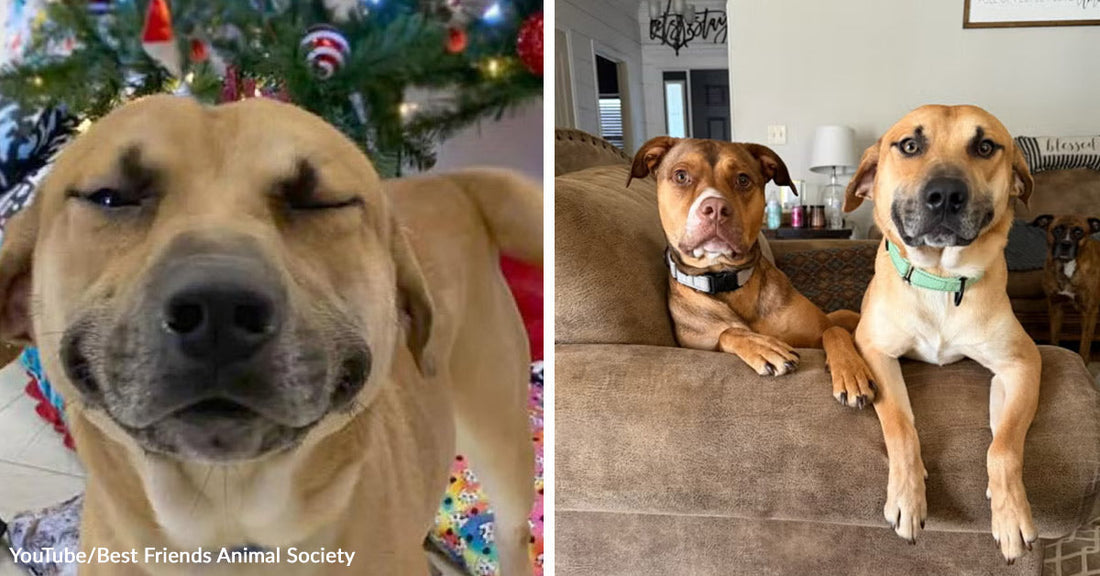
Every once in a while, a foster dog’s story captures exactly why animal rescue work matters so much. Eugene, a young dog at the Best Friends Pet Resource Center in Northwest Arkansas, is one of those dogs. His journey from shelter pup to beloved family member shows how powerful a simple foster stay, one joyous reunion, and one life-changing smile can be. For anyone interested in dog adoption, animal fostering, or helping build compassionate no-kill communities, his story offers an inspiring glimpse of what is possible.
Eugene first arrived at Best Friends from a nearby shelter, one of many dogs waiting for a chance at a better life. Like countless pets in shelters across the country, he needed time, patience, and a place where he could feel safe enough to let his personality shine. That place turned out to be the home of Nikki and Jason, who opened their doors and hearts to him as foster caregivers. Best Friends’ broader goal is to help shelters nationwide reach no-kill status, and foster volunteers play a central role in that mission by giving animals like Eugene a bridge between the shelter and a permanent home.

Once Eugene settled in with Nikki and Jason, he wasted no time making himself part of the family. According to what they later shared, he would follow them all around the house, content just to be close. He was not clingy in a demanding way, but gently companionable, as if he understood that his job was simply to be there, bringing warmth to each room they entered. Friendly with people and other dogs, he quickly established himself as a social, affectionate presence, and he soon earned a lighthearted badge of honor: he was “100% cuddle trained.”
That phrase, repeated in the original account of his story, says a lot in just a few words. It reflects a dog who is not only comfortable in his foster home, but eager to give and receive affection. I found this detail striking because it highlights something often seen in successful foster experiences. When animals are offered patience and kindness, many respond with a level of trust and affection that changes the atmosphere of an entire household. Eugene was not simply a guest in a spare room. He became a fully integrated member of the daily routine, bringing joy along with him.
Yet fostering also involves a difficult moment: saying goodbye. When Eugene’s time to meet potential adopters arrived, Nikki and Jason brought him back to the Best Friends Pet Resource Center so others could have a chance to fall in love with him. By then, they had grown deeply attached, and the bond was clearly mutual. As they prepared to leave him in capable hands, they struggled with the idea that this might be the last time he would curl up next to them on the couch or trail them from room to room.
Before walking away, they made a quiet promise. If Eugene did not get adopted that day, they would return and make him officially part of their family. It was both a pledge to him and a way of acknowledging the depth of their own feelings. For many foster caregivers, this is the turning point. They step up initially to help a dog or cat find a home, only to realize that perhaps the home that animal has been waiting for is their own.

YouTube/Best Friends Animal Society
As it turned out, Eugene did get adopted that day, just not in the way casual observers might expect. Later that evening, Nikki and Jason came back to the pet resource center, hearts already leaning toward the decision they had tried to hold off. The moment Nikki walked through the door, Eugene recognized her instantly. Before she could say his name, his entire body lit up with recognition and joy.
His tail wagged with such energy that it seemed to power the rest of him. His smile stretched wide. He wiggled from nose to tail, so excited that his happiness seemed to fill the entire space. That reunion was captured on video, and even described secondhand, the scene is vivid. One dog, overjoyed to see the people he had come to trust most, made it clear in those few seconds that the connection they shared mattered deeply to him.
For Nikki and Jason, that wiggly, jiggly, smiley greeting settled any lingering doubt. They adopted Eugene themselves and brought him back home, not as a temporary foster this time but as a permanent member of the family. Jason later explained that “that smile solidified everything” for them and that Eugene had truly found his home. In the world of animal rescue, this kind of foster-to-adopt outcome is sometimes called a “foster fail,” although it is really a complete success for everyone involved, especially the dog whose life has just been changed forever.
Life as an officially adopted dog suits Eugene perfectly. According to the original story, he has settled in beautifully at home. He now has a canine brother named Ruger, and the two have become inseparable companions. Wherever one of them goes, the other is not far behind, a reminder that relationships among animals can be just as meaningful as those they build with people. In that environment of connection and stability, Eugene continues to thrive.
His story illustrates the larger vision that Best Friends and many other organizations are working toward: no-kill communities where every dog and cat who can be saved gets that chance. No-kill does not mean keeping animals alive regardless of their quality of life. Instead, it means saving every healthy or treatable animal, while also ensuring community safety and respecting the well-being of pets. Shelters alone cannot achieve this. They need the help of individuals willing to foster, adopt, volunteer, and advocate.
In that sense, Eugene’s joyful reunion is more than a feel-good moment. It is a demonstration of what happens when community members step forward to be part of the solution. Fostering a dog, even for a short time, can help shelters free up space, reduce stress for animals, and give each pet a better chance at being noticed by the right adopter. Adopting a dog from a shelter or foster program provides that animal with safety and stability, often after a period of uncertainty.
People who cannot foster or adopt can still contribute in many meaningful ways. The original piece highlights how sharing inspiring animal rescue stories, advocating for homeless pets, and staying engaged with local shelters all help build momentum toward no-kill goals. When neighbors, friends, and families understand that saving animals in shelters is a shared responsibility, it becomes easier to create compassionate systems that work for both pets and people.
Sometimes, as Eugene’s experience makes clear, it does not take a grand gesture to transform a life. One temporary foster placement, one promise to return, and one unforgettable smile were enough to turn a shelter dog into a cherished family member. As more people learn about stories like his, the idea of a country where every shelter operates with no-kill standards feels less like a distant dream and more like an achievable future that we can all help build together.
Read more at https://bestfriends.org/stories/videos/foster-dogs-story-has-wiggliest-ending