
Seal Pup Escapes A Slow Death After Fishing Net Tightens Around His Neck
Guest Contributor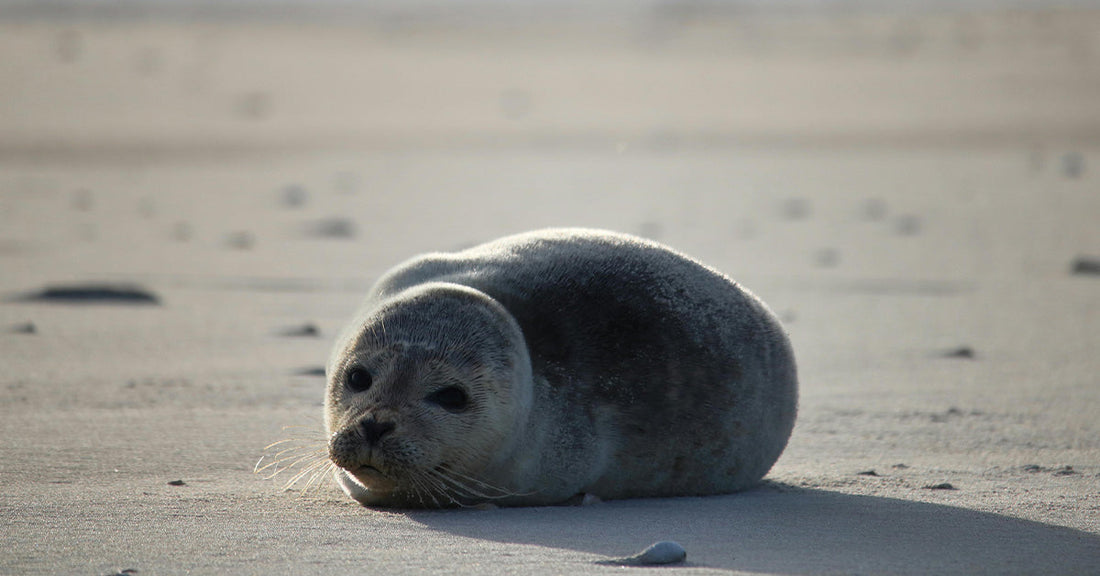
A young seal pup on St Mary's Island in Whitley Bay recently had what rescuers called a “lucky escape” after becoming tangled in a discarded fishing net. The incident highlights the growing danger of ghost gear and marine rubbish for curious wildlife, particularly vulnerable animals like seal pups. Stories like this one are both heartening and sobering, offering a glimpse of successful intervention alongside a reminder of how easily things could have turned tragic.
The pup, estimated to be just a couple of months old and about one meter long, was first spotted at a haul-out site by a volunteer with the St Mary's Island Wildlife Conservation Society. Haul-outs are places where seals rest on rocks or shorelines, and on this day it became the scene of a quiet but urgent rescue effort. The animal’s neck had slipped through a discarded fishing net, a piece of ghost gear that could have turned fatal if left in place.

According to a spokeswoman for the North Tyneside-based organisation, discarded fishing equipment is far from harmless debris. It is strong, difficult to break, and once it tightens around an animal there is almost no chance of self-rescue. She explained that netting can act like a “cheese wire,” slowly cutting through a seal’s flesh. As the animal grows, the constriction worsens, slicing through blubber and into muscle, causing severe pain, infection, and eventually death if not removed.
In this case, timing and careful observation were essential. Rescuers could not immediately approach the pup. When it was first seen, the young seal was surrounded by other seals on the rocks. Any sudden movement or disturbance risked causing the group to panic. If the older or heavier animals had jumped from higher rocks into shallow water during low tide, they could have been injured. That meant the team had to wait, watching and planning while the tide slowly crept in.
Waiting is one of the most difficult parts of wildlife rescue. People see an animal in trouble and instinctively want to rush in. Yet the spokeswoman made clear that the safety of all the seals had to come first. The team waited until the tide had risen enough to create safer access and until the pup had drifted apart from the rest of the group. Only then did they move in to help, balancing speed with caution in order to avoid further stress or injury.
As the tide came in, conditions finally lined up. The pup became more isolated from the others, creating an opportunity for rescuers to reach it without triggering a stampede into the water. When they were able to get close, they worked to free the youngster from the tightly wrapped fishing line before it could start cutting into its neck. The spokeswoman noted that although the pup was still young, it was a “feisty” animal. Seals have powerful bodies and strong jaws, so safe handling requires knowledge and experience.
The rescue team stressed that intervening with wild animals is never done lightly. Their usual guidance to the public is to give seals plenty of space and to avoid disturbance wherever possible. In natural circumstances, it is often better to observe from a distance and allow wildlife to manage on its own. The difference here was that the threat came from man-made rubbish, not from a natural cause. Because the pup was entangled in human-generated ghost gear, the team felt a responsibility to step in.
St Mary's Island Wildlife Conservation Society frequently confronts injuries like this. Ghost gear is a persistent problem in the marine environment, and seals are especially at risk. They are naturally curious and investigate objects they encounter in the water or along the shore. The spokeswoman explained that when a seal finds something like a floating net or loop of line, it may push its head through or play with it, only to find itself trapped. Once a piece of gear cinches down, escape is nearly impossible without outside help.
Fishing nets are not the only culprits. The spokeswoman pointed to plastic toys such as throwing rings as an increasing hazard. Objects designed for humans to toss and catch in the water can end up broken, abandoned, or lost. When they drift into seal habitats, they can loop around necks or flippers in much the same way as nets and lines. For growing animals, anything that forms a tight ring around the body poses a serious risk.
Many seals that are found entangled do not share this pup’s good fortune. By the time rescuers reach them, the material may have already cut deeply into the skin and blubber, creating open wounds that require veterinary treatment and extended care. Animals in that condition often need to be transported to specialized facilities where they can recover before being released back into the wild. Not all survive.
In this particular case, timing made all the difference. The spokeswoman said that the pup had not been snared for long. The net had not yet started cutting into its body, which meant that once the material was removed, there were no open wounds to treat. Instead of needing medical care, the seal was able to move off on its own, apparently unharmed apart from being “a bit cross” with its rescuers for the brief and confusing interruption.
I found this detail striking because it captures the tension at the heart of wildlife rescue work. To the pup, the people approaching were simply intruders in its world. To the rescuers, the short moment of distress was an acceptable trade-off for preventing what could have become a slow, agonising injury. The irritation of a healthy young seal is a much better outcome than the alternative.
This story of a seal pup tangled in a fishing net is a reminder of how human activity can reach into even seemingly remote places like off-shore haul-out sites. It also shows how small changes might prevent future suffering. Proper disposal of fishing gear, reducing plastic waste, and being mindful of toys and equipment taken to the sea can all reduce the amount of dangerous debris in the water. While not every problem can be fixed overnight, each piece of rubbish kept out of the ocean is one less hidden hazard for an unsuspecting animal.
At the same time, the work of local conservation groups demonstrates the difference dedicated observers can make. A volunteer’s sharp eye, a team’s patience while waiting for the tide, and experienced hands working quickly with a frightened but strong animal all came together to give this pup a second chance. It may have been a “lucky escape,” but it was also the result of skill, care, and a commitment to helping wildlife when human-made dangers put them at risk. Read more at AOL