
An Injured Turtle Leaves Rescuers Eleven Eggs Before Her Final Goodbye
Guest Contributor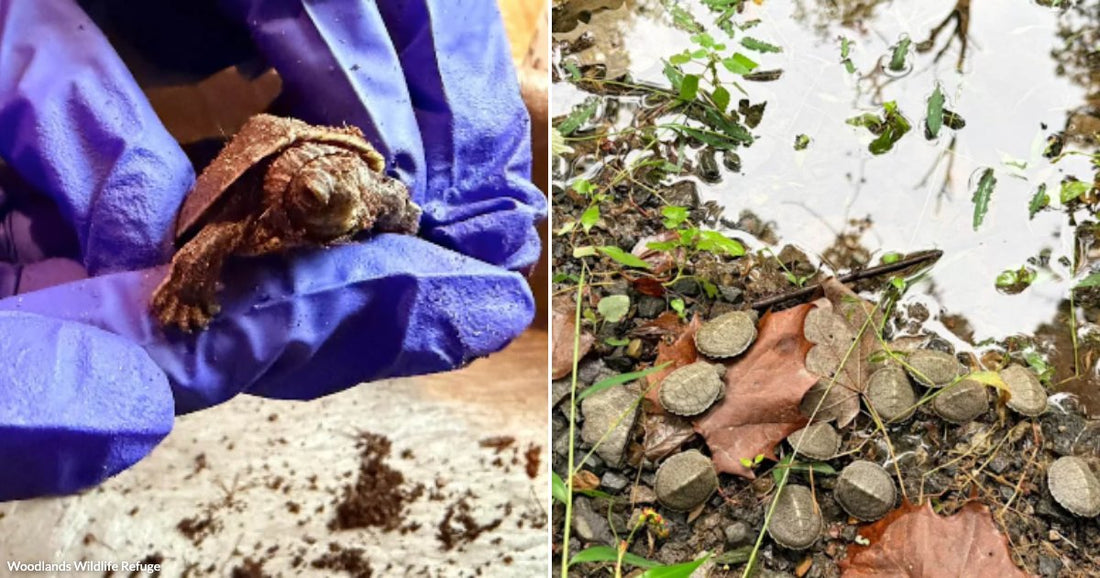
Along a quiet stretch of road near Pittstown, New Jersey, a small act of compassion has turned into an uplifting conservation story. At the center of it all is a severely injured Northern map turtle, a devoted wildlife refuge team, and eleven tiny hatchlings that recently made their way into the wild. For anyone who cares about animal rescue, wildlife conservation, or simple stories of hope, this journey from tragedy to renewal is both moving and memorable. The phrase “second chance at life” fits this story of turtle hatchlings perfectly.
The story began in June when a Northern map turtle was struck by a car and brought to the Woodlands Wildlife Refuge in Pittstown. The turtle arrived with severe injuries, the kind that often leave rescuers facing difficult odds and hard decisions. Staff examined her, provided care, and did what they could to ease her suffering. In the midst of that initial assessment, something extraordinary occurred. According to the refuge’s account, the injured turtle laid eleven eggs right in the box she had been transported in. At a moment when her own survival was in question, she still invested her remaining strength into giving her offspring a chance.

Recognizing the importance of those eggs, rescuers acted quickly. They carefully transferred each egg into an incubation substrate, providing the stable environment needed for the delicate development process. Throughout the summer, staff monitored the eggs, keeping a watchful eye on temperature and conditions. Behind each daily check was a question that could not yet be answered. Would the embryos survive, especially after the trauma their mother had endured and the stress that accompanied her final moments?
The uncertainty deepened when the mother turtle later died from her injuries. Her loss underscored the harsh reality that many wild animals face in human-dominated landscapes. Roadways, which connect communities, can be deadly obstacles for slow moving species like turtles. For the team at Woodlands Wildlife Refuge, her death might have signaled the end of the story. Instead, the focus shifted fully to the eggs she had left behind. Those eleven fragile shells became symbols of possibility, a quiet reminder that even in loss there can be new beginnings.
All summer long, the eggs remained under careful watch. Incubation can feel like a waiting game, with long stretches of stillness punctuated by tiny, hopeful signs of life. The refuge staff did not know whether the embryos inside had been viable at the time of laying or whether the stress of their mother’s injury would have lasting effects. Despite those questions, they kept the conditions steady and allowed nature to take its course. It is easy to overlook the patience that conservation work demands, but every day that the incubator hummed along represented a commitment to give those hatchlings every possible advantage.

Woodlands Wildlife Refuge
This week, that patience was rewarded. In a heartwarming outcome, all eleven eggs hatched. One by one, the baby turtles emerged, small but perfectly formed, carrying forward the genetic legacy of a mother that did not survive her encounter with a car. The success of all eleven Northern map turtle hatchlings is striking, particularly given the uncertainties that surrounded the clutch from the very beginning. Their emergence is more than a feel good detail. It demonstrates what can happen when human care and wild resilience intersect.
The story did not end at the edge of an incubator. After confirming that the hatchlings were ready, the refuge team released them into the wild near the habitat where their mother had originally been found. Returning animals to their native environment is a cornerstone of responsible wildlife rehabilitation. In this case, releasing the hatchlings near that familiar habitat helped preserve their natural connection to the local ecosystem and the waters their species relies on. Watching eleven tiny turtles slip into the wild must have been a powerful experience for those who had watched over them all summer.

Woodlands Wildlife Refuge
Northern map turtles are a distinctive presence in the waterways of New Jersey. According to the New Jersey Department of Environmental Protection, these turtles are most active from June through August and can typically be found along the Delaware River from the Delaware Water Gap south to Trenton. Their seasonal activity coincides with the time when more people are on the move, traveling and enjoying the outdoors, which also means more vehicles on the roads that cross or run alongside turtle habitat. This detail highlights why stories like the Pittstown rescue are increasingly important.
The release of the hatchlings illustrates how even a single rescued animal can influence the larger conservation picture. One injured turtle, brought in by someone who cared enough to stop and help, has effectively contributed eleven new individuals to a wild population. For long lived species that reproduce slowly and face many threats, every successful hatchling matters. I found this detail striking because it shows how individual actions can ripple outward in ways that are impossible to predict in the moment.
This event also offers a quiet reminder about how people share space with wildlife. Whether driving near rivers, walking along wetlands, or exploring parks, simple awareness can reduce harm to animals like Northern map turtles. Slowing down in areas where turtles may cross, keeping an eye out for small shapes on the road, or contacting local wildlife rehabilitators when an injured animal is found are all practical steps that anyone can take. Although the original mother turtle in this story did not survive, the effort to bring her to a refuge ultimately saved the next generation.
Stories of baby turtles often capture public imagination, and it is easy to see why. There is something universally hopeful about small animals stepping into a big, uncertain world. In Pittstown, the hope is grounded in real effort and real outcomes. The Woodlands Wildlife Refuge provided care when it was most needed, remained committed even when the prognosis looked grim, and stayed the course through months of waiting. The result is eleven young Northern map turtles now swimming, basking, and exploring the waters their species has used for generations.
This journey from an injured adult on the roadside to healthy hatchlings in the wild invites reflection on what it means to give wildlife a second chance. It is not always dramatic. Often it looks like careful monitoring, quiet dedication, and a willingness to let nature lead the way whenever possible. In this case, that approach gave a group of hatchlings an opportunity their mother never had. Their story will unfold far from the public eye along the Delaware River and nearby habitats, but it began with a moment of empathy and a refuge ready to respond. Read more at https://bronx.news12.com/2026/09/22/eleven-turtle-hatchlings-get-a-second-chance-at-life-in-the-wild-thanks-to-pittstown-wildlife-refuge/EyOEQXQfrK1BUMgd7J46P