
Three Dogs Become Trapped Below Slippery Walls With No Way to Climb Out
Guest Contributor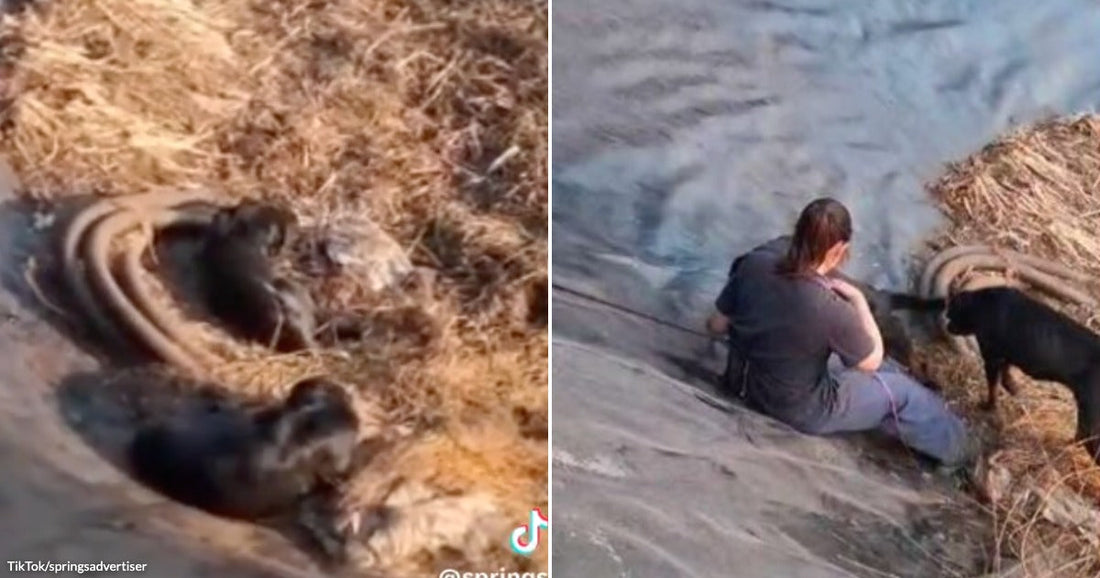
The quiet town of Delmas recently became the scene of a dramatic and emotional rescue, as the Springs SPCA saved three dogs from a deep, disused concrete reservoir. This story of quick action, careful planning and quiet bravery highlights both the physical challenges of animal rescue and the deep emotional bonds that can form between animals, especially those who have survived a frightening ordeal together. For anyone interested in animal welfare, Rottweiler adoption or the work of local SPCAs, this incident offers a moving look at what dedicated teams do when lives are on the line.
According to Springs SPCA manager Annecia le Roux, the organisation received an urgent call from a concerned community member who had spotted animals trapped inside a deep water structure. It turned out to be an unused concrete reservoir, lined with plastic and filled with stagnant water and sludge. The walls were high, vertical and extremely slippery, which made the idea of any animal climbing out on its own almost impossible. Inside were three dogs, two large Rottweilers and a small Jack Russell, exhausted and stranded with no way to escape.

From the outset, the conditions at the site created serious obstacles for the rescue team. Le Roux explained that the steep, slippery walls provided no footholds for either dogs or humans, while the combination of water and sludge at the bottom meant footing was unstable and potentially dangerous. On top of that, the sheer size and weight of the two Rottweilers turned the situation into a physically demanding operation. Lifting a large dog safely, especially when it is stressed or weak, is challenging even under ideal circumstances. In a deep, narrow, waterlogged structure, every move had to be carefully calculated.
To reach the dogs, SPCA team member Robyn Schroeder was lowered into the reservoir. Le Roux described how Schroeder maintained a calm and reassuring composure to avoid causing the dogs any further distress. That detail speaks volumes about the emotional side of animal rescue. In such a confined, frightening space, panic from either animals or humans could easily escalate the danger. Remaining calm was as important as ropes and harnesses.
Once at the bottom, Schroeder carefully assessed each dog. Before any attempt at lifting them out, she secured them one at a time using a dog leash. This methodical approach ensured that each animal was stable and under control so that no one would slip or get injured during the hoisting process. Above the reservoir, the ground crew coordinated every movement with Schroeder. Together they lifted each dog as well as Schroeder herself back to safety, step by careful step.

TikTok/springsadvertiser
When they finally reached solid ground, the three dogs were severely exhausted and moderately dehydrated. They had clearly endured a draining experience, but Le Roux reported that none of them showed signs of critical or life-threatening injuries as a direct result of the entrapment. Given the depth of the reservoir and the conditions inside, that outcome speaks to how vital the quick response from the community member and the SPCA truly was.
Sadly, the story does not end on a completely joyful note. The Jack Russell later passed away from biliary, also known as tick-bite fever. Le Roux emphasised that this death was unrelated to the time spent inside the reservoir. Losing the smallest member of the trio was a sobering reminder that even when one crisis is resolved, animals can still face serious health challenges. Tick-bite fever is a known risk in many parts of South Africa and remains a significant concern for pet owners and animal welfare organisations alike.
In the aftermath, attention turned to the two Rottweilers who survived and recovered. Le Roux described how they formed an extraordinary bond and now rely on each other for comfort. Reports from the Springs SPCA say the pair display gentle, affectionate temperaments and appear deeply connected, a bonded relationship shaped not just by their breed tendencies but likely also by their shared experience in the reservoir. I found this detail striking because it shows how animals can process and respond to trauma in ways that mirror human companionship and mutual support.
Recognising how strong this bond has become, the SPCA made a clear decision. The two Rottweilers will be adopted together and will not be separated. The organisation is actively searching for a suitable home that meets several important criteria, each designed to ensure long term safety and wellbeing for both dogs. In practical terms, that means finding adopters with extensive knowledge of the Rottweiler breed and enough experience and confidence to manage two large, powerful dogs. Breed familiarity is not about stereotypes, but about understanding their needs, energy levels and preferred ways of interacting with people and other animals.
Space and security are also central to the SPCA’s adoption guidelines. Le Roux explained that the ideal property should be spacious and securely fenced, with high walls or robust gates to keep the dogs safe and prevent any chance of escape. Given that these dogs have already experienced one life threatening confinement, it is understandable that the SPCA wants to rule out any preventable risks in their new chapter. Regular daily exercise, mental stimulation and meaningful human interaction are also key components of the home they are seeking.
The organisation believes the pair will thrive best in a quiet, loving household where routines are stable and attention is abundant. One specific requirement is that the home must have no cats. This condition allows the SPCA to match the dogs to an environment where everyone’s safety and comfort are prioritised from the start. Anyone interested in adopting the pair will be required to undergo a mandatory home check and pre inspection. This is a standard step in responsible animal adoption processes designed to confirm that living conditions, fencing and lifestyle are a good fit.
The adoption fee will cover essential veterinary care that every pet should receive. According to the report, this includes sterilisation, microchipping, deworming and vaccinations. These measures protect both the dogs and the wider community of animals they may encounter. From a broader perspective, they also reflect the SPCA’s commitment to responsible guardianship and sustainable, long term animal welfare.
This rescue from the Delmas reservoir illustrates several important themes. Community vigilance made the initial alert possible. Trained staff from the Springs SPCA applied both technical skill and emotional sensitivity to bring the dogs out safely. Afterwards, careful planning around Rottweiler adoption is helping to ensure that the surviving pair can move from trauma to trust in a forever home that understands who they are and what they have been through. For readers who care about rescue stories, bonded dogs and ethical adoption, this incident serves as both a moving narrative and a powerful reminder of the difference local animal welfare organisations make every day.