
Dangerous Tethering Laws Leave Dogs Exposed
Matthew Russell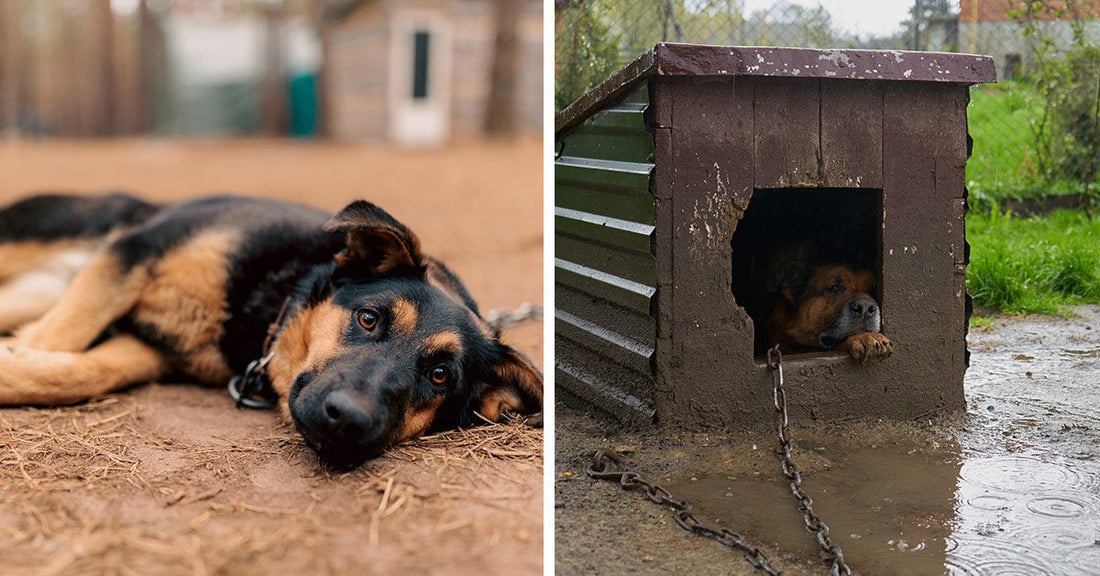
A dog tied outside cannot always escape heat, cold, storms, or direct sun. A tether can tangle. A collar can tighten. Water can sit just out of reach.
That is why clear anti-tethering laws matter.
New York Post reported that Nassau County adopted one of the strictest dog tethering laws in the country in 2026. The law bars tying a dog outside for more than 60 minutes in any 12-hour period. It also bans tethering below 32 degrees, above 90 degrees, and overnight from 11 p.m. to 6 a.m.
News 12 Long Island reported that violators could face jail time, fines, or forfeiture of the animal.

Dogs should not be chained outside to suffer.
Weak Rules Leave Too Much Room For Harm
PETA summarizes Nassau’s ordinance as a detailed law that bans dangerous temperature exposure, unsafe collars, heavy restraints, short tethers, and conditions that risk strangulation or injury.
Humane World for Animals says dogs kept outdoors should have safe enclosures and proper shelter. Chained dogs can face injury, isolation, and frustration.
The problem is uneven protection. The Animal Legal & Historical Center tracks state tethering laws and shows that rules vary widely across the country.

Freezing cold can put outdoor dogs at risk.
Every State Needs A Humane Baseline
Some states have already improved enforcement. The SPCA of Texas says the Safe Outdoor Dogs Act banned chains as restraints and removed a 24-hour waiting period that had delayed action by officers.
Clear weather rules matter too. Midland Daily News reported that Michigan has no statewide temperature cutoff for dogs left outside, even after a case where direct sunlight made a 73-degree day feel like 115 degrees for a dog left without shade, food, or water.
Lawmakers should set time limits, ban tethering in dangerous weather, require shade and water, prohibit unsafe restraints, and give animal control power to act quickly.
No dog should be chained outside until suffering becomes obvious.
Sign the petition to urge lawmakers nationwide to strengthen anti-tethering laws and protect dogs from dangerous outdoor restraint.