Deadly Fox Tapeworm Found In Washington Coyotes Raises New Fears For Pets And Families
Matthew Russell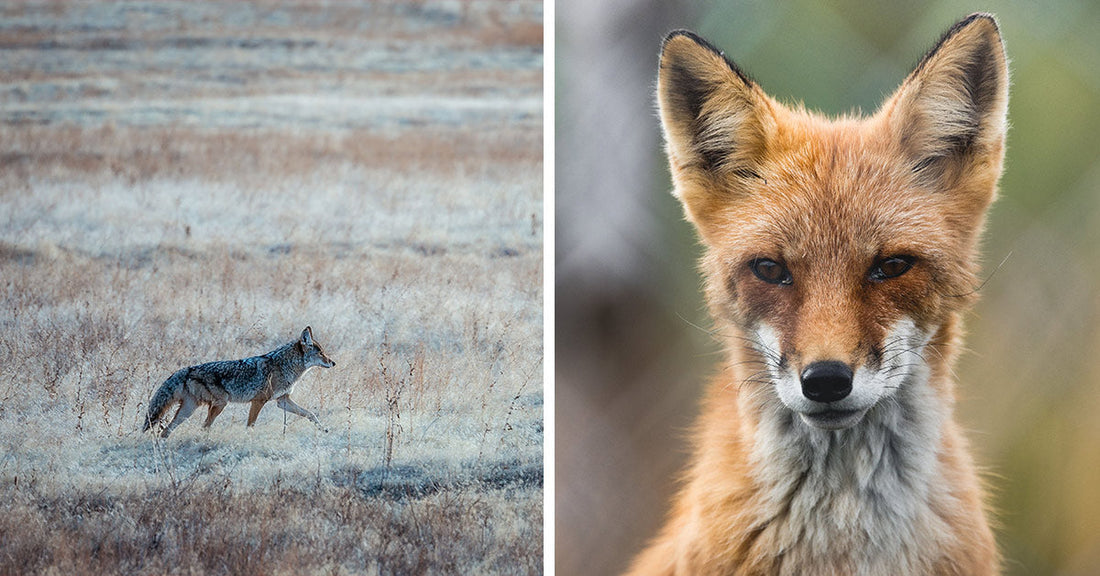
A dangerous parasite has been found in Washington coyotes, adding a new public health concern to the uneasy overlap between urban wildlife, pets, and people.
The parasite is Echinococcus multilocularis, often called the fox tapeworm. University of Washington researchers detected it in 37 of 100 coyotes sampled in the Puget Sound region, UW News reports.
The finding marks the first confirmed detection of the parasite in a wild host on the contiguous U.S. West Coast, according to the study published in PLOS Neglected Tropical Diseases.

A deadly fox tapeworm has been detected in Washington coyotes.
How The Parasite Spreads
The tapeworm lives in canids, including coyotes, foxes, and dogs. Infected animals shed microscopic eggs in their feces. Rodents can pick up the parasite from contaminated environments. Coyotes then become infected when they eat those rodents.
That cycle matters for dog owners. Domestic dogs may be exposed if they eat infected rodents or come into contact with contaminated droppings. Researchers told KIRO 7 that some coyotes carried tens of thousands of the tiny worms in their intestines.
The parasite was found in coyotes from several Puget Sound-area communities, with detections reported in places including Whidbey Island, Everett, Seattle, Sammamish, Issaquah, Auburn, Bothell, and Anacortes, dvm360 reports.

Researchers found the parasite in more than one-third of coyotes tested around Puget Sound.
Why Humans Are At Risk
Human cases are rare, but the illness can be severe. The parasite can cause alveolar echinococcosis, a disease that often attacks the liver and may resemble cancer as it spreads through tissue.
People can be exposed by ingesting eggs from contaminated food, soil, animal feces, or pet fur, according to the Centers for Disease Control and Prevention. Symptoms may not appear for years, which makes early exposure hard to trace.
The parasite has long been recognized in parts of Europe, Asia, and Arctic North America. Its discovery in Puget Sound suggests a wider North American shift, The Wildlife Society reports.

Coyotes, foxes, and dogs can act as hosts for the tapeworm.
What Pet Owners Can Do
The risk to the general public remains low. The warning is still serious.
Dogs should be kept from eating rodents, scavenging carcasses, or rolling in wildlife feces. Owners should leash pets in parks and greenbelts, clean up dog waste, wash hands after outdoor contact, and talk with a veterinarian about deworming risk.
Regular deworming of domestic carnivores that may contact wild rodents can help reduce human exposure, the World Health Organization says.
Washington’s coyotes are not new neighbors. But this parasite changes what their presence can mean. A backyard, trail, or city park can now carry a hidden risk that families may never see.