
🚨Urgent: Rush Aid to People & Pets in Nepal's Devastating Floods! Help Now!
Trump Administration Strips Away Key Habitat Protection for Endangered Wildlife
Matthew Russell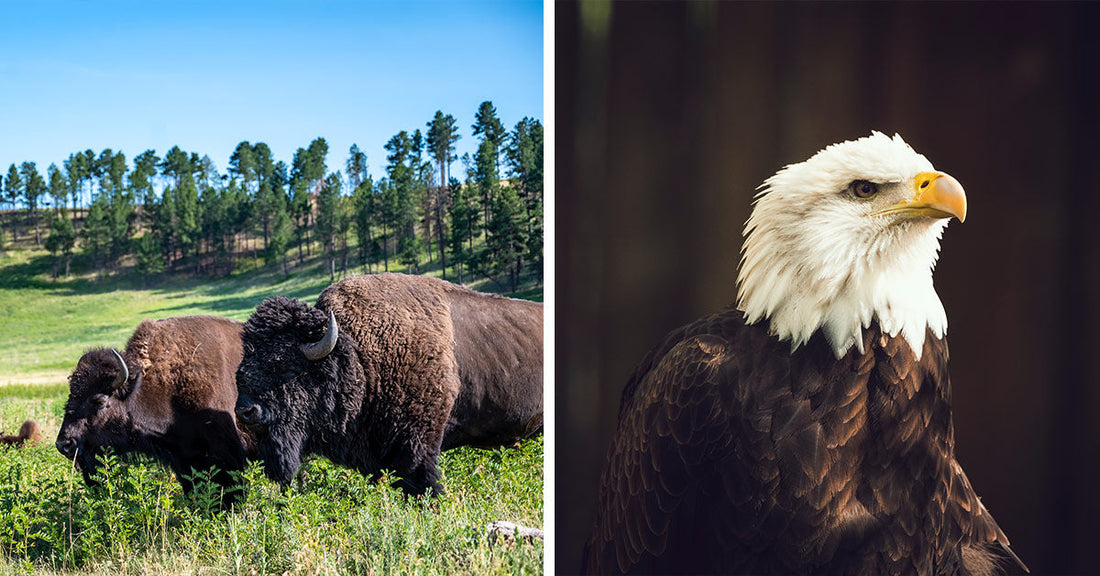
A major change to the Endangered Species Act has removed a federal regulation used for decades to address destructive changes to wildlife habitat.
The Trump administration finalized the rule in July 2026. It rescinds the regulatory definition of "harm" used by the U.S. Fish and Wildlife Service and National Marine Fisheries Service.

The federal government has rescinded a longstanding regulatory definition of harm under the Endangered Species Act.
Endangered Species Act Rule Changes the Meaning of Harm
Under the previous regulation, harm included acts that actually killed or injured wildlife through significant habitat modification or degradation. That included damage that significantly disrupted essential behaviors such as breeding, feeding, or sheltering, according to the Federal Register.
The new rule removes that regulatory definition.
The Departments of the Interior and Commerce argue that the previous interpretation extended beyond the Endangered Species Act's text. The U.S. Department of the Interior said the change will reduce regulatory burdens, provide greater certainty for landowners, and protect private property rights.
Direct acts that injure or kill listed wildlife remain prohibited.

The new rule changes how federal agencies interpret harm to threatened and endangered species.
Habitat Destruction Faces a Different Federal Standard
The practical implications could reach many industries and landscapes.
Reuters reports that the Endangered Species Act is a significant factor in federal permitting decisions involving oil and gas, mining, electric transmission, and other activities on federal lands and waters.
The Associated Press reports that logging, drilling, mining, and other development could occur in habitat used by imperiled species without violating the rescinded definition, provided animals are not directly killed or injured.
The distinction has become the center of the dispute.
Wildlife relies on habitat for essential biological needs. Forests provide nesting and shelter. Rivers and wetlands support feeding and reproduction. Changes to those places can alter whether a species can survive even when no animal suffers an immediate physical injury.

Habitat provides wildlife with food, shelter, and places to reproduce.
Decades of Wildlife Policy Are Being Rewritten
The broader interpretation of harm had shaped Endangered Species Act enforcement for decades.
In 1995, the U.S. Supreme Court upheld the inclusion of habitat destruction within the federal definition. Earthjustice notes that the ruling connected the definition with the language and conservation purpose of the law.
The Endangered Species Act itself has been credited with helping recover some of the nation's best-known wildlife. Bald eagles, American alligators, and California condors are among the species cited by the Associated Press as conservation success stories tied to the law.
The habitat rule faced substantial opposition before it became final. Hundreds of thousands of public comments opposed eliminating the protection, while scientists, tribes, legal experts, and environmental groups also objected, according to Earthjustice.

Federal officials say the change reduces regulatory burdens and respects private property rights.
Conservation Groups Prepare to Fight the Habitat Rule
Environmental organizations warn that the change could increase pressure on species already struggling with habitat loss.
The Guardian reports that conservation advocates have raised concerns about wolverines, monarch butterflies, Florida manatees, and other vulnerable species. The publication also notes that habitat destruction is considered a major driver of species loss.
Earthjustice has announced plans for a legal challenge.
The debate now extends beyond the meaning of one word in a federal regulation. It concerns whether the Endangered Species Act can address severe habitat damage before imperiled wildlife suffers direct injury or death.
Federal officials have changed that standard. The future of habitat protection for listed species now faces a new legal and political fight.
Protecting threatened and endangered animals requires attention to the forests, wetlands, rivers, beaches, and other places that sustain them. Sign the petition and call on federal officials to restore strong Endangered Species Act habitat protections.
Click below to make a difference.