Mexico Ends Dolphin and Whale Exploitation With Landmark Ban
Matthew Russell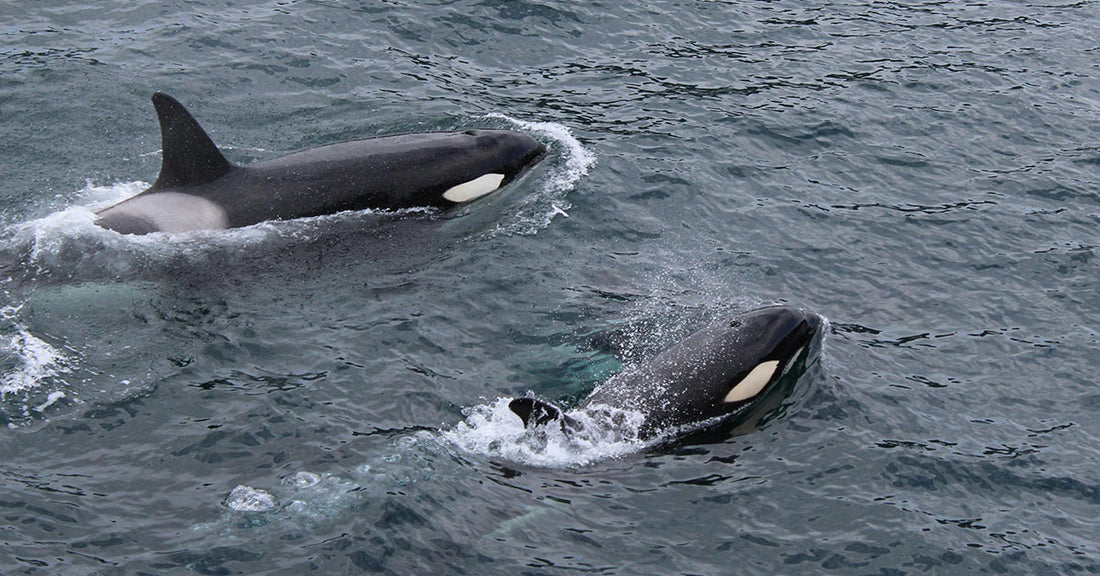
Mexico has taken a decisive step in animal welfare by banning the use of dolphins, whales, sea lions, and other marine mammals in entertainment. The reform, unanimously approved by both chambers of Congress, prohibits captive breeding, public shows, and swim-with-dolphin programs, while allowing exceptions only for conservation and scientific purposes.
With an estimated 350 dolphins in captivity, facilities now face a transition that requires relocation of animals to sea pens rather than concrete tanks, where many have spent their lives in confinement, France24 reports.

A Response to Widespread Suffering
For years, animal welfare groups and scientists documented how captivity causes chronic stress, abnormal behavior, and disease in dolphins and other species. Investigations revealed that hundreds of dolphins in Mexico had been born into tanks, trained under pressure, and exploited for tourism, World Animal Protection reports. These findings fueled public outrage and campaigns to expose the true cost of dolphinariums.
The new law is rooted in recognition of marine mammal sentience and the ethical obligation to move away from animal exploitation. Lawmakers highlighted the need for a fundamental shift in how humans coexist with wildlife, marking this as both a conservation and cultural milestone.

Mexico banned marine mammals in entertainment.
What the Reform Demands
The legislation amends Mexico’s General Wildlife Law and introduces strict measures:
- Captive breeding is banned, except under controlled conservation programs.
- Dolphinariums must present full inventories of animals to authorities within 90 days.
- Physical contact in tourist attractions is curtailed, restricting swim-with-dolphin activities to supervised and non-intrusive encounters.
- Facilities must update management plans and face heavy fines for non-compliance.
- Dolphins must be transferred to marine sanctuaries or sea pens within an 18-month period.
Impact on Industry and Workers
Mexico holds roughly eight percent of the world’s captive dolphins, making this reform one of the most significant in the global fight against marine mammal exploitation, Vegan FTA reports. The law anticipates the impact on workers employed in dolphinariums and sets out protections to safeguard their rights during the transition.
The reform reflects a balance between addressing animal suffering and supporting human livelihoods, requiring industries to adapt toward ethical tourism and conservation-based models.

Canada already outlawed dolphin and whale shows.
A Global Signal
By joining Costa Rica and Chile in banning dolphin shows, Mexico has become part of a small but growing group of nations reshaping the relationship between people and marine mammals. With more than 3,000 dolphins held in captivity worldwide, the move has global implications, Dolphin Project reports. It demonstrates that public demand, scientific consensus, and legislative will can converge to dismantle industries that profit from wildlife suffering.
As enforcement begins, the world will watch whether Mexico’s commitment to ending captivity translates into lasting change for the dolphins and whales still awaiting freedom.
Click below to make a difference.