
🚨Urgent: Missile Strikes Shelter in Ukraine! Rush Emergency Aid!
Veterans Watch a New Generation March Into Danger As War Escalates In Iran
Matthew Russell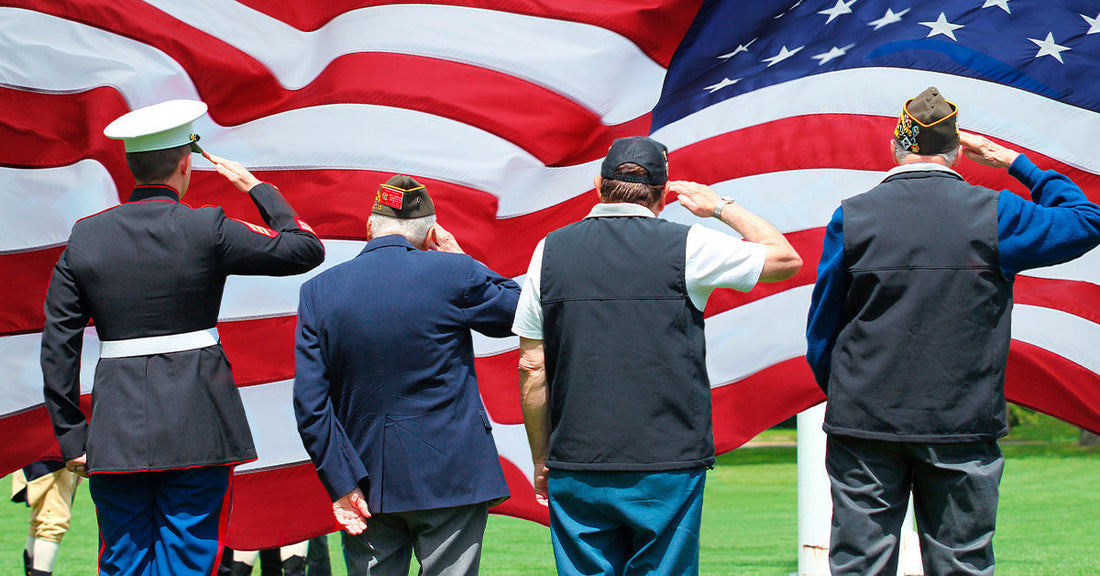
The war between the United States and Iran is unfolding far from American soil. Yet the consequences are already reaching veteran communities across the country.
For many veterans, the conflict is not just another international headline. It brings back memories of deployments, long nights waiting for orders, and the complicated emotions that come with sending troops into harm’s way.
Across the United States, veterans are watching closely. Some support the mission. Others question it. Most are thinking about the service members now stepping into the same uncertain terrain they once knew.

The war with Iran is stirring strong emotions across the American veteran community.
Veterans Relive the Weight of War
The announcement of a new conflict often brings back memories for those who have served.
Raymond Queen, an Army veteran who deployed to Iraq, said watching the situation unfold reminds him of the tense days before deployment.
“The waiting is the worst part,” Queen said in an interview with KJRH. “It’s more not knowing when it's gonna happen.”
Queen said the early casualties in the war have made the conflict feel real for many veterans.
“A lot of people join the military expecting it to happen,” he said. “But when this sort of situation comes up, and it becomes reality, it changes things really quickly.”
For veterans who once served overseas, the news of a new war can stir emotions that never completely disappear.

Many veterans say the news of a new conflict brings back memories of past deployments.
Military Families Feel the Uncertainty
The conflict is also affecting military families across the country.
In communities near Fort Campbell, which houses the 101st Airborne Division, the war is a constant topic of conversation.>
Army veteran Juan Munoz said families are experiencing mixed emotions.
“You can't ever give up the concern for your loved one, who's potentially putting themselves in harm's way,” Munoz told PBS NewsHour. “At the end of the day, they’re going to support their service member.”
Shannon Razsadin, CEO of the Military Family Advisory Network, said uncertainty about the conflict is creating anxiety in military households.
“There is a good amount of stress and anxiety from the community just around the unknowns right now,” she told PBS NewsHour.
Even with that worry, she said many families remain proud of their loved ones who serve.
Veterans Divided on the War
Veterans themselves are not united on the conflict.
Some support the military action.
Army veteran Edward Bauman, who deployed to Iraq and Afghanistan, said he believes the president had reasons for launching the strikes.
“My takeaway is there had to have been some reason for him to bomb them,” Bauman told PBS NewsHour.
Others strongly oppose the war.
Chris McFarland, a veteran who served in Kuwait, Iraq, and Afghanistan, has protested the strikes publicly.
“It is 100% unnecessary,” McFarland said, arguing that the decision to attack Iran risks repeating earlier conflicts.
For some combat veterans, the start of another war brings back difficult memories of their own deployments.
“It just puts us right back in, right back at ground zero,” McFarland said.

Military families are experiencing anxiety as uncertainty surrounds the conflict.
Support for Troops Remains the Priority
Despite political differences, veterans consistently emphasize support for those serving overseas.
At American Legion Post 199 in Fairhope, Alabama, veterans gathered after the strikes to discuss the conflict and pray for deployed troops.
“They are the ones who are going into harm’s way,” Army veteran John Propp told WKRG. “They’re the ones that we need to lift our prayers up to.”
For many veterans, that support remains constant regardless of politics.
As the war expands across the Middle East — with missile strikes, drone attacks, and military operations affecting multiple countries — its global impact continues to grow, according to the Associated Press.
But for veterans at home, the focus remains personal.
They know the cost of war. They have lived it before. And now they are watching as another generation prepares to face it.