The Legendary Jaguar Who Vanished Into the Wild Returns From the Shadows
Matthew Russell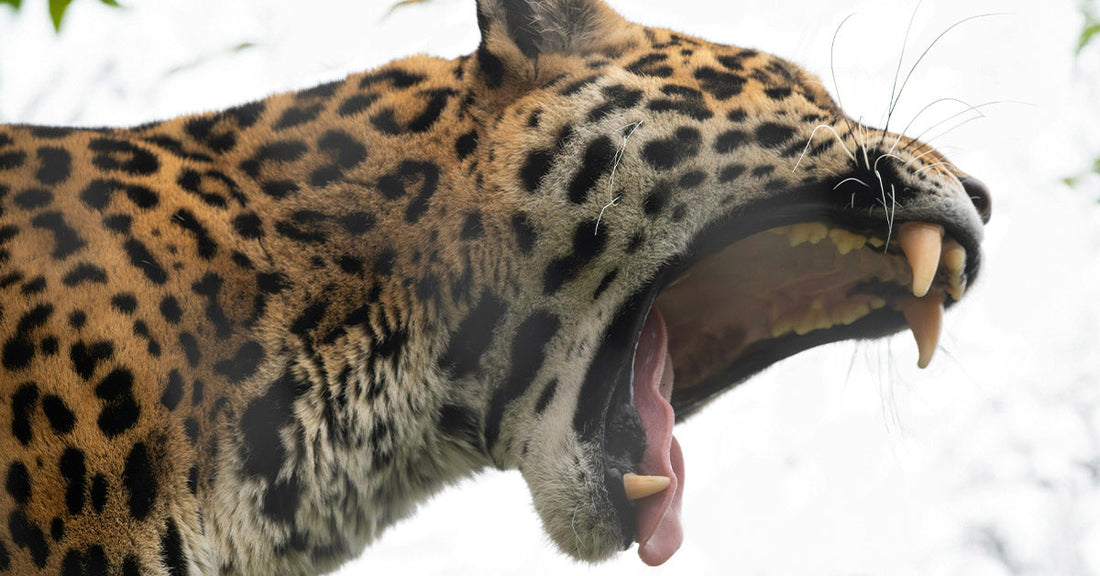
He slipped into Arizona in 2011 and moved like smoke through oak and pine. The male jaguar locals would later call El Jefe hunted javelina and deer, padded up steep ridges, and learned to avoid people. For a time, he was the only known wild jaguar in the United States, a solitary cat holding ground in the Santa Rita and Whetstone mountains, Smithsonian Magazine reports. Biologist Chris Bugbee tracked his scat with a scent dog and recalled a “special relationship” with the unseen cat—El Jefe often appeared on cameras minutes after researchers left, the magazine notes.

El Jefe is the only known jaguar to have lived wild in the U.S. for years.
From Mystery to a Name
In 2015, Tucson students helped turn a ghost into a symbol. After a schoolwide vote and a community push, “El Jefe”—Spanish for “the Boss”—won out, according to the Center for Biological Diversity. The name stuck—and so did public attention.
Fame Arrives in 41 Seconds
Everything changed in February 2016, when a 41-second compilation showed El Jefe muscling through a creek bed and staring into a trail camera.
“All hell broke loose,” Bugbee told Smithsonian Magazine.
The clip, released by Conservation CATalyst and the Center for Biological Diversity, was the first publicly shared video of a U.S. jaguar and reached a global audience.

He crossed into Arizona from Mexico in 2011.
Vanished, Then Found in Sonora
El Jefe disappeared from Arizona cameras later in 2015. For seven years, nothing. Then, in 2022, Mexican partners with the Borderlands Linkages Initiative confirmed him in central Sonora—about 120 miles south—after software matched his rosette pattern and researchers verified the ID.
“There is no doubt this is the same animal,” Dr. Carmina Gutiérrez-González of the Northern Jaguar Project told Wildlands Network.
He appeared healthy at roughly age 12, heartening scientists who had long wondered if he’d survived, Arizona Republic reports.
“Just knowing that they’re OK warms your heart,” Conservation CATalyst’s Aletris Neils told the outlet.
Why His Path Still Matters
El Jefe’s story highlights both possibility and peril. Conservationists say his reappearance shows that habitat connectivity between Sonora and Arizona persists, even amid pressures from development, mining, and new border barriers.
“Only through international collaboration can we understand and protect wide-ranging species like the jaguar,” Wildlands Network’s Juan Carlos Bravo told Wildlands Network. Neils added that “every new piece of information is essential” for conserving northern jaguars, while advocates warned that El Jefe’s former Arizona range overlaps with proposed copper mining and tightened crossings.
Whether El Jefe returns north again is unknown. What’s clear is that his survival—documented on both sides of the line—keeps the door open for jaguars to reclaim their historic range. For now, the Boss still walks.