Exotic Pet Craze in Thailand Fuels Lion Abuse and Black Market Trade
Matthew Russell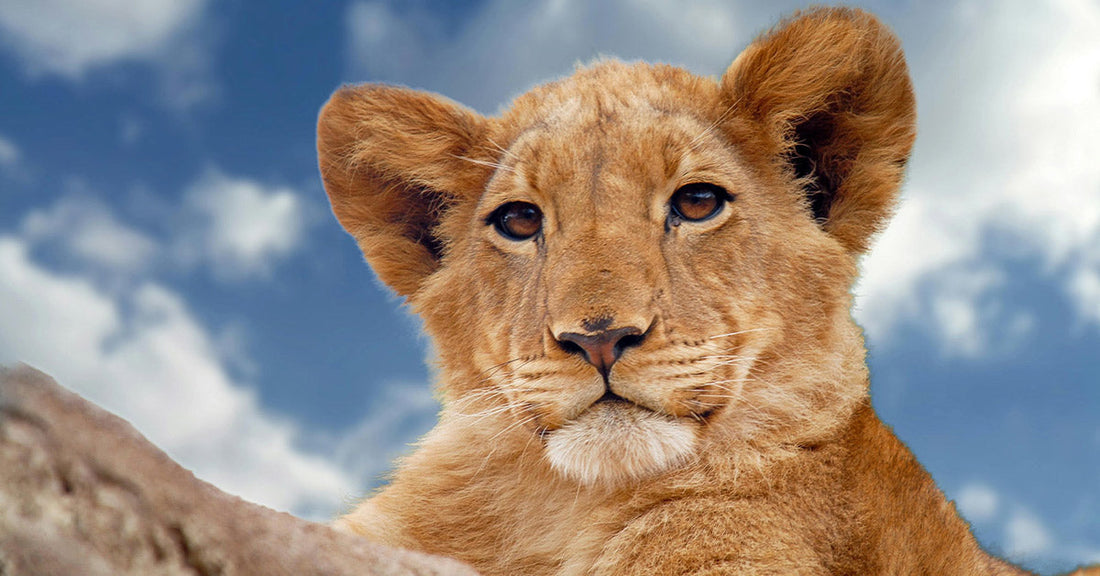
In Thailand, owning a lion isn’t just legal—it’s become a fashionable statement among influencers, breeders, and members of the country’s elite. But beneath the glamour of TikTok videos and convertible joyrides lies a growing crisis of public safety, animal welfare, and international conservation concern.

Thailand allows private citizens to own lions legally.
Private Ownership Surges Despite Safety Concerns
From Bangkok cafés to suburban garages, lions are now kept in at least 28 private homes—up from just two in 2018—according to research published by Discover Conservation. At the heart of the boom is a loophole-riddled law that allows private ownership and commercial breeding, while placing few restrictions on enclosure size, breeding frequency, or transfer tracking.
Cubs as Commodities in a Glamour-Fueled Market
Lion cubs are often pulled from their mothers within weeks of birth to accelerate reproduction. White lions, prized for their appearance despite being genetically compromised by inbreeding, now make up nearly half of Thailand’s captive population.
The trade, largely fueled by online content and tourism, has created a revolving door of cubs used as props in cafés and parties before being returned or resold as they grow harder to manage. The cub trade alone is now valued at nearly $1 million per year, Discover Conservation reports.

Many buyers are wealthy influencers seeking social media fame.
Buyers Regret, Sellers Profit
Breeder Pathamawadee Janpithak, who operates three lion farms with around 80 animals, has sold dozens of lions over the years and confirmed that buyers often seek the youngest cubs for status or social media stunts.
“Some people buy a lion and can’t handle it,” she told The Guardian.
Her business model includes a “buy-back” option, allowing owners to offload lions once the novelty fades.
But there are darker sides to this trade. Conservation experts warn of a rising number of lions “lost to follow-up,” meaning their whereabouts haven’t been confirmed in over a year. These animals may have died, been trafficked, or quietly removed from display. Wildlife Friends Foundation Thailand has traced offers for both live and dead lions from traders willing to move animals across borders without legal permits, Gulf News reports.

Cubs are separated from their mothers to speed up breeding.
Lions Suffer in Inadequate Conditions
The problem is not just about legality but the lack of readiness among private owners. Thai veterinarian Taweesak Anansiriwattana has treated more than 25 pet lions, many suffering from malnutrition, skin infections, or stress-related behaviors.
“I don’t agree with people keeping lions as pets,” he told The Guardian.
The nation’s hot, humid climate exacerbates health issues that already stem from poor diet and cramped enclosures.
Some lions are kept in dog-sized cages. Others have been spotted riding through city streets in luxury vehicles, prompting safety fears. As the Bangkok Post reports, in one case, a lion cub was discovered lounging in a café in central Bangkok sipping attention from patrons while raising questions about what would happen if it panicked or attacked.

Inbreeding is rampant, especially among white lions.
Regulations Leave Dangerous Gaps
Thai law requires lions to be registered and microchipped, but cubs don’t need to be reported until they are 60 days old—a window that facilitates under-the-radar sales. And while lions are classified as dangerous animals, there is still no ban on ownership in private homes. Ligers and tigons, hybrid species bred for novelty, aren’t covered by existing protections at all.
Wildlife officials acknowledge the problem but cite limited resources and the cost of care as barriers to enforcement. When animals are confiscated, the burden of housing, feeding, and caring for them falls to already stretched government sanctuaries.
Calls for a Policy Shift
Despite international calls to end private big cat ownership, Thailand has yet to move toward a full ban. Officials say they may tighten licensing rules in the future, but for now, lions remain legal pets—and status symbols—in a system ill-equipped to manage the consequences.
Click below to make a difference.