
Cities Across America Push To End Preventable Shelter Deaths
Matthew Russell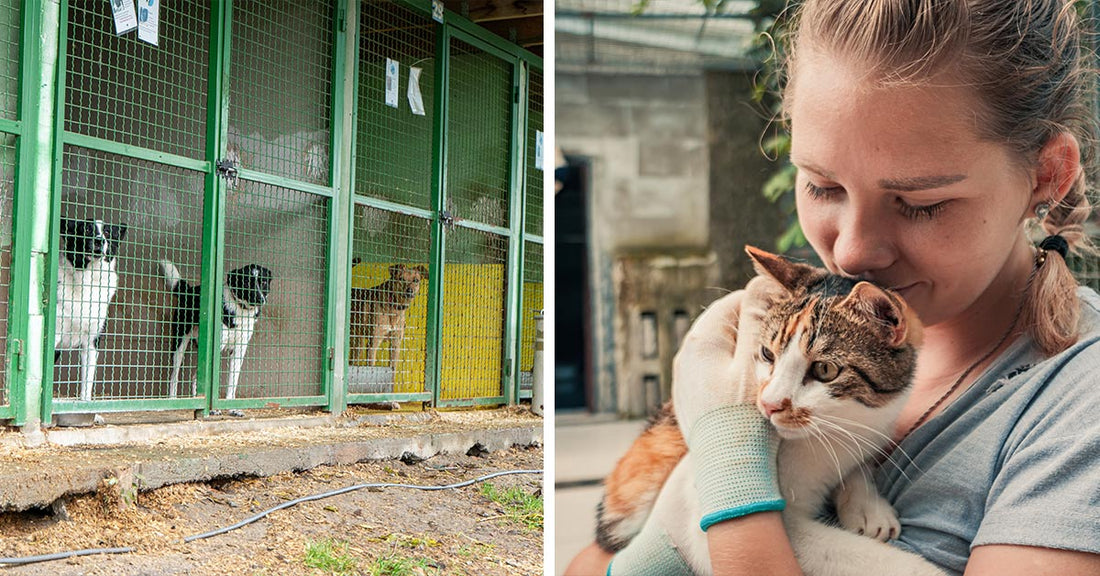
America's largest gathering of city leaders has thrown its support behind a growing effort to save more dogs and cats in shelters.
At the 94th annual meeting of the U.S. Conference of Mayors in Long Beach, California, mayors approved a resolution encouraging communities to pursue no-kill policies and expand programs that keep pets out of shelters and move them into homes. The action was championed by mayors from Pennsylvania, Arizona, Washington, California, Nevada, and Tennessee, according to Best Friends Animal Society.

Mayors across the country voted to support no-kill goals.
Animal Shelter Data Shows Growing Progress
The resolution arrives as national shelter data points to significant gains.
According to the latest annual report from Best Friends Animal Society, approximately 396,000 dogs and cats were killed in U.S. shelters during 2025, down more than 34,000 from the previous year. The organization reports that more than two-thirds of shelters now meet the no-kill benchmark of saving at least 90% of incoming animals.
Additional findings from Shelter Animals Count show community intake declined while adoptions increased, signs that more animals are leaving shelters alive and fewer are entering the system in the first place. The organization's 2025 report recorded roughly 5.8 million dogs and cats entering shelters and rescues nationwide, with adoption activity remaining strong.

More communities are working to save healthy and treatable pets.
Local Programs Help Reduce Shelter Crowding
Animal welfare experts say lifesaving gains often begin long before an animal reaches a kennel.
A recent Axios report highlighted efforts in Arkansas to prevent pet surrenders through food assistance, training resources, and support services that help families keep their animals. Those strategies helped reduce the number of pets killed in shelters across the state.
Collaboration also plays a major role. Data highlighted by Shelter Animals Count shows shelters increasingly rely on rescue groups and transfer partners to move animals into foster homes and adoption programs.

Local governments are becoming key partners in animal welfare.
Communities Drive Lifesaving Success
The impact can already be seen at the local level. The Humane Society of Midland County in Michigan recently earned national recognition after maintaining a save rate above 90%, according to reporting by Our Midland. Shelter leaders credited volunteers, foster families, adopters, and community support for the achievement.
With more cities, shelters, rescue groups, and residents working toward the same goal, advocates believe the country is moving closer to a future where every healthy and treatable pet has a chance to find a home.