
Thousands of Mink End Up In Peril After Being Released From A Farm In Iowa
Matthew Russell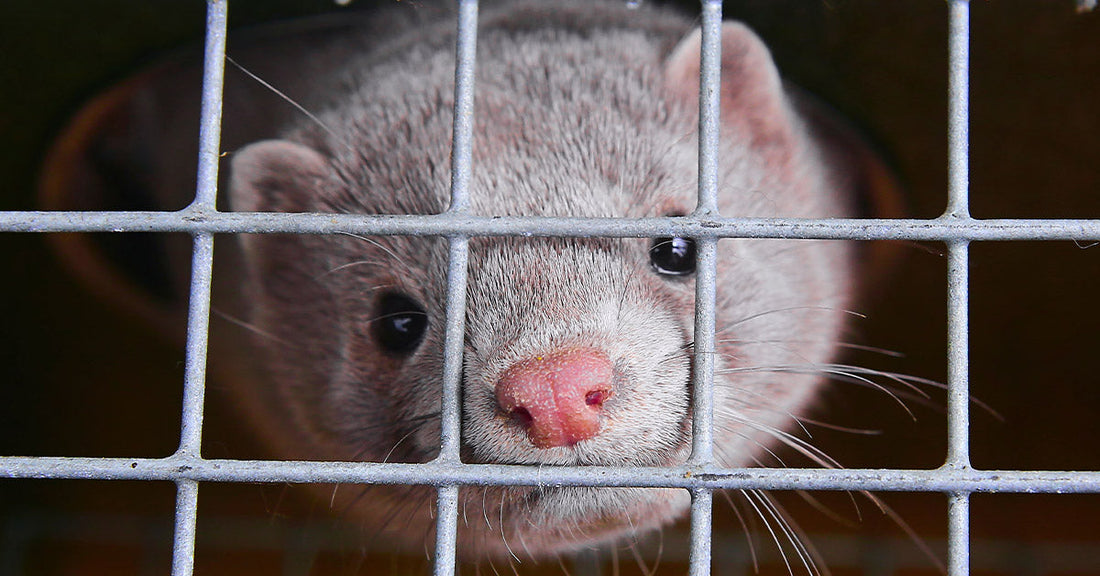
An Iowa mink farm became the scene of chaos after intruders broke in overnight, cutting fences and destroying cages to release thousands of animals. The attack, which took place in the morning, freed roughly 2,000 mink raised for their pelts, according to CBS News.
Just a few days later, about 60% of the mink had been recovered. The rest are feared dead or missing, with time running out to locate them before hunger, predators, or the elements take their toll.

Roughly 2,000 mink were released from a farm near Woodbine, Iowa.
FBI Joins Investigation
Law enforcement and the FBI are investigating what the Fur Commission USA calls a “terrorist act.”
Challis Hobbs, the group’s executive director, said the perpetrators cut through fencing and destroyed nest boxes that provided warmth and shelter. “Breaking into a lawful business, destroying property, and releasing animals to suffer and die is a violent crime,” Hobbs said.
The federal Animal Enterprise Terrorism Act allows anyone who intentionally damages or interferes with an animal enterprise to be charged as a terrorist. Similar attacks have been reported in Pennsylvania and Ohio, where tens of thousands of mink were released in recent years.

About 60% of the escaped mink were later recovered.
“They Don’t Survive Long”
Hobbs said the act likely stemmed from misguided compassion.
“When they release captive-raised, farmed mink into the wild like this, especially in these kinds of numbers, it does the exact opposite by hurting and harming the animals,” he told the Insurance Journal.
He explained that if mink aren’t recovered within 24 to 48 hours, most will die. Farm-raised mink lack the skills to hunt or find shelter. Those that do survive may kill local wildlife, such as ducks, geese, or chickens, in desperation.
“They’re carnivorous and desperate,” Hobbs said in an interview with KMAland. “They’re killing anything and everything they can to eat.”

Many of the remaining animals are believed to have died in the wild.
A Scramble to Recover the Animals
The farmer, along with his son and grandson, has been working around the clock to recover as many mink as possible. They’ve deployed more than a dozen live traps across the property and nearby fields. Each animal is valued at about $45, and the farm is facing significant losses, Hobbs told AGDaily.

Mink raised on farms lack the ability to hunt or find shelter.
Debate Over Mink Farming Persists
Animal rights advocates, including the Animal Legal Defense Fund, argue that mink farms keep animals in “inhumane and unsanitary conditions” and contribute to the spread of diseases such as avian influenza and COVID-19. The organization supports legislation to end mink farming in the U.S. entirely.
While motives behind the Iowa release remain unclear, the event reignites debate over the ethics of fur farming and the methods used by activists.
As Hobbs put it, “The people who did this didn’t save animals — they doomed them.”