
EU Strikes at Fur Industry as Millions of Mink Face Suffering
Matthew Russell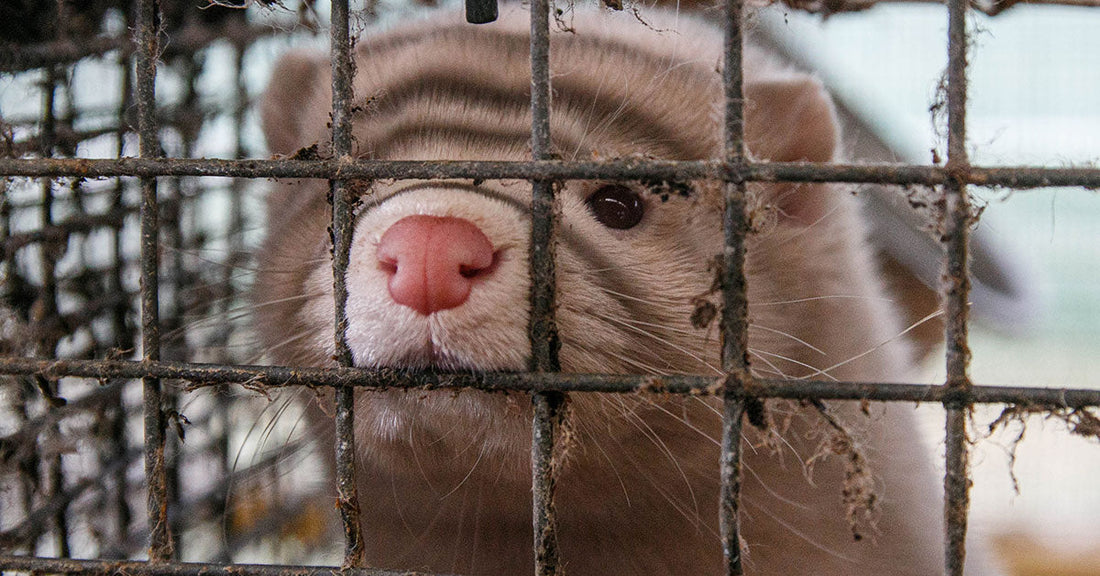
The European Union’s decision to ban the breeding and keeping of American mink, effective July 2027, could signal the end of mink fur farming across the continent. Added to the EU’s list of Invasive Alien Species of Union Concern, the American mink is now officially recognized as a threat to native wildlife.
The ruling prohibits the sale, breeding, and transport of mink—but loopholes could allow some countries to keep farms operating under special permits, Humane World warns.
Despite bans in 22 European countries, including Ireland, Lithuania, and the Netherlands, nearly 6 million mink remain in factory farms across Poland, Greece, and Finland. Agriland reports the ban is legally binding, but exemptions threaten its full effect. The raccoon dog was similarly listed in 2019, yet fur farms in Finland and Poland continued operating under 30-year exemptions.

The EU has banned the breeding and keeping of American mink starting July 2027.
Animal Suffering Behind the Glamour
Mink on fur farms endure lives far from their wild roots. These solitary, semi-aquatic animals are crammed into tiny wire cages without access to water or space to roam. Their instincts—to swim, dig, or hunt—are suppressed until death arrives by gassing, Humane World reports. The goal is to preserve fur quality—not ease their suffering.
This practice doesn’t just harm animals. It threatens public health. Fur farms are breeding grounds for zoonotic diseases. COVID-19 and avian influenza have been found in mink populations, sometimes spreading to humans.
In Europe, tens of thousands of mink have been culled due to outbreaks. In the U.S., mink passed SARS-CoV-2 back to people, the Animal Legal Defense Fund notes.

Nearly 6 million mink remain on European fur farms despite growing bans.
Global Demand Is Crashing
Once a lucrative industry, mink farming is collapsing. The number of U.S. mink farms dropped from 236 in 2017 to just 110 five years later. Pelt production fell from 3.3 million to 1.3 million in the same period, while the value of the trade plummeted 68% to $39 million, Humane World reports. By 2024, only 771,200 pelts were produced in the U.S., worth just $28.1 million—a staggering 80% drop from 2015, according to Born Free USA.
More fashion brands and governments are banning fur sales. California led the U.S. in 2019, with cities like Wellesley, Massachusetts, following suit. As demand drops, some fur farmers hope for rescue from markets like Russia or China—but the global trend is clear: consumers are walking away from fur.

Mink are kept in cramped, wire-bottom cages with no access to water or space.
What Comes Next
The EU’s new regulation is a major step—but not the finish line. Animal advocacy groups are urging officials to close loopholes and enforce a complete ban. In the U.S., the Mink VIRUS Act would phase out mink farming within a year and help farmers transition to new livelihoods.
The fur industry’s time is up. What remains is a choice: protect public health and animal welfare—or keep clinging to a trade no one wants or needs.
Click below to make a difference.