
🚨Urgent: Missile Strikes Shelter in Ukraine! Rush Emergency Aid!
Shelter Dogs and Cats Face Death as Screwworm Transport Ban Stalls Rescues
Matthew Russell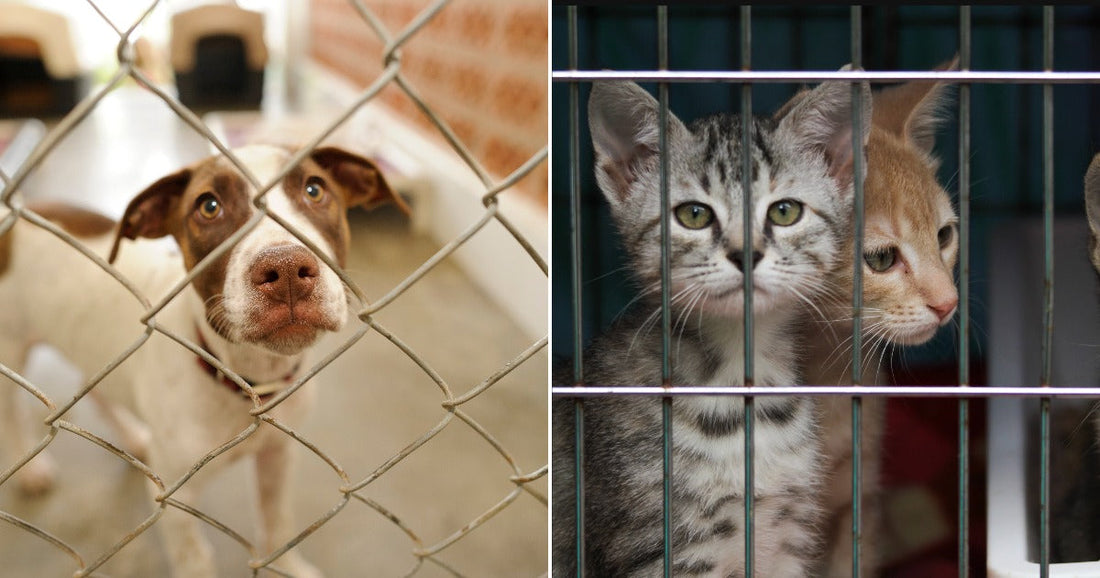
Thousands of dogs and cats are sitting in Texas shelters right now with nowhere to go. Not because they're sick. Not because they've tested positive for anything. They're stuck because a livestock pest called the New World screwworm has prompted sweeping restrictions on animal transport out of the state — and those restrictions are treating every shelter pet like a potential carrier, regardless of health status.
The result is a crisis quietly unfolding behind kennel doors across Texas.

What Is the New World Screwworm?
The New World screwworm is a parasitic fly whose larvae burrow into the living tissue of warm-blooded animals. It was eradicated from the United States decades ago through sustained federal effort, but it has been moving north through Mexico and into border states. The primary concern is livestock — cattle, sheep, and other agricultural animals — because an infestation can devastate herds rapidly. Companion animals like dogs and cats can also be affected, though they are far less likely to be a significant vector of spread.
According to Best Friends Animal Society, the screwworm threat is real and warrants a serious response. But a serious response doesn't have to mean a blanket ban on moving healthy, screened companion animals.

How the Transport Freeze Is Affecting Shelters
Interstate rescue transport has become a lifeline for overcrowded Texas shelters over the past decade. Rescue organizations in states with lower intake numbers pull animals from high-intake Texas facilities, freeing up space and saving lives on both ends. That pipeline has now largely stopped.
As The Washington Times reports, shelters across Texas are watching their capacity crisis worsen in real time, with adoptions and transfers stalled by the uncertainty. Animals that would have moved to rescue partners in other states are remaining in facilities that were already stretched thin before the screwworm restrictions took effect.
Euthanasia rates rise when shelters overflow. That's not an editorial position — it's a documented operational reality.

The Gap Between the Threat and the Response
Veterinary professionals and shelter organizations have pointed out that practical mitigation tools exist. Best Friends Animal Society has outlined a framework that includes veterinary examination, screwworm-specific screening, and appropriate quarantine periods before transport. These are the kinds of targeted, evidence-based measures that protect animal health without shutting down the entire rescue transport system.
The current approach doesn't distinguish between a healthy dog that has been examined and cleared by a licensed veterinarian and an animal with an active infestation. That's a meaningful gap — one with life-or-death consequences for shelter animals.

What Needs to Happen
Federal and state agriculture officials have the authority to design emergency protocols that address the screwworm threat without sacrificing the animals caught in the middle. A coordinated federal-state framework — one requiring veterinary examination, quarantine, and confirmed screwworm screening before interstate transport — would protect receiving states while keeping rescue pipelines open for animals that pose no documented risk.
The tools exist. The expertise exists. What's needed is the political will to apply them with precision rather than defaulting to the broadest possible restriction.
Shelter animals in Texas are running out of time. Sign the petition urging the USDA Secretary, the Texas Animal Health Commission, and participating state veterinarians to act now and create an emergency protocol that protects both animal agriculture and the companion animals whose lives depend on rescue transport.
Click below to make a difference.