🚨Urgent: Missile Strikes Shelter in Ukraine! Rush Emergency Aid!
Industrial Fish Farms Are Coming to US Waters and Experts Say Wild Oceans Could Pay
Matthew Russell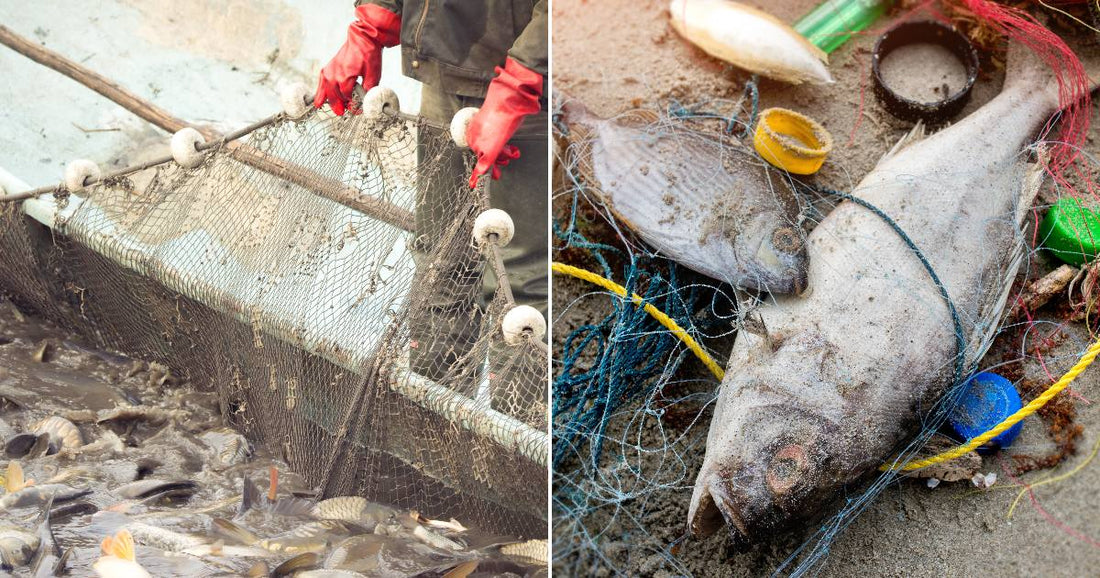
The federal government is moving to expand offshore aquaculture in U.S. waters, designating new Aquaculture Opportunity Areas where industrial-scale fish farms could operate miles from shore. The vision sounds simple: grow more fish, reduce pressure on wild stocks, feed more people. But the environmental record of large-scale marine aquaculture tells a more complicated story.

The federal government is designating new offshore Aquaculture Opportunity Areas where industrial-scale fish farms could operate miles from U.S. coastlines.
Crowded Cages, Concentrated Consequences
Industrial fish farming packs thousands of animals into net pens or enclosures, and that density creates problems that don't stay contained. Waste — uneaten feed, feces, chemicals — settles on the seafloor beneath and around the cages. According to research published by the Pew Oceans Commission and Stanford University's Center on Food Security and the Environment, this nutrient loading can deplete oxygen in the water column and degrade benthic habitat, the seafloor communities that support broader marine ecosystems.
Disease and parasites spread more easily in crowded conditions. Facilities frequently use antibiotics and pesticides to manage outbreaks, and those compounds enter surrounding waters. The same Pew/Stanford analysis found that antibiotic use in aquaculture raises concerns about resistance — not just for fish, but for the wider marine environment those chemicals flow through.

Industrial fish farming confines thousands of animals in net pens or enclosures, creating densely packed conditions that generate significant waste.
When Farmed Fish Meet Wild Ones
Escapes are not rare events. Fish breach net pens during storms, through equipment failure, or during routine handling. Farmed fish — often selectively bred or genetically distinct from wild populations — can interbreed with wild fish when they escape, introducing traits that reduce the fitness of wild stocks over generations. They also compete directly with native species for food and habitat.
Bow Seat Ocean Awareness Programs notes that the promise of aquaculture relieving pressure on wild fisheries often goes unfulfilled, because many farmed carnivorous species — salmon, tuna, cod — are fed fish meal and fish oil made from wild-caught forage fish. Harvesting those small fish at industrial scale removes a critical link from the food web that marine mammals, seabirds, and larger fish all depend on.

Uneaten feed, feces, and chemicals from fish farms settle on the seafloor, a process researchers have linked to oxygen depletion and benthic habitat degradation.
Sensitive Habitats at Stake
Siting matters enormously. Offshore areas that might appear open and empty on a map can overlay critical feeding and migration corridors for whales, sea turtles, and other protected species. Anchoring systems, mooring lines, and noise from operations all introduce hazards. Net pens can also alter local current patterns, affecting water quality and sediment dynamics well beyond the farm's footprint.
Coastal communities — including commercial fishermen who have worked the same grounds for generations — face real economic and cultural disruption when large-scale offshore operations compete for space and affect the water quality their livelihoods depend on.

Research from the Pew Oceans Commission and Stanford University found that antibiotic use in aquaculture raises concerns about resistance in the broader marine environment.
The Case for Independent Review Before Permits Are Issued
Expansion of offshore aquaculture is not inherently wrong, but location and independent oversight determine whether it causes lasting harm. Right now, NOAA is deciding where new Aquaculture Opportunity Areas will go. That decision deserves rigorous, independent environmental analysis — before industrial fish farms move in, not after.
You can tell NOAA directly: site these areas only where the science shows they won't threaten wild fish, marine mammals, water quality, sensitive habitat, or the fishing communities that depend on healthy oceans.
Click below to make a difference.