Endangered Animals Are Being Sold Openly on Social Media
Matthew Russell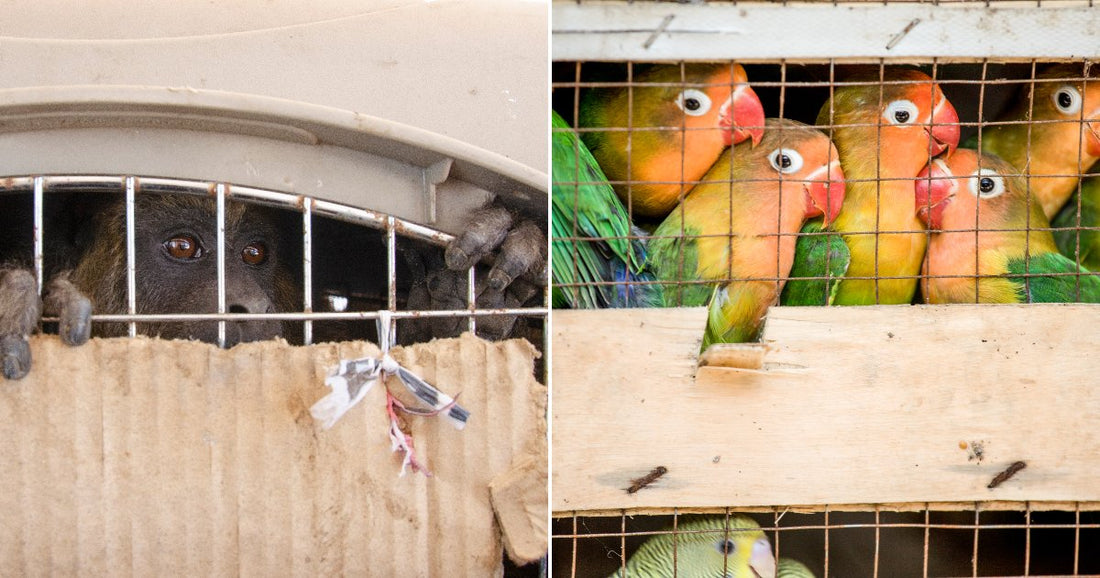
Every day, live animals, body parts, and products made from endangered species change hands on some of the world's most recognizable websites. This isn't happening in the shadows of the dark web. It's happening on Facebook, Instagram, TikTok, and major e-commerce marketplaces—in plain sight, at scale.
The United Nations Office on Drugs and Crime has documented illegal wildlife trafficking as one of the most lucrative transnational crimes on earth, generating billions of dollars annually and threatening hundreds of species. What has changed in recent years is the venue. Criminal networks have migrated online, and digital platforms have become their most effective marketplace.

The Algorithm Is Part of the Problem
Research published in Nature Reviews Biodiversity found that the illegal online wildlife trade has grown dramatically in both volume and geographic reach, with social media platforms accelerating the problem by connecting buyers and sellers across borders in seconds. The issue is not simply that bad actors misuse these platforms—it is that platform design actively amplifies trafficking activity.
A joint investigation by Freeland and partner organizations, published as Clicks That Kill, found that Meta's recommendation systems routinely directed users toward wildlife trafficking content. Someone who engaged with one wildlife post was served more—including sellers of live primates, exotic reptiles, and protected birds. The algorithm treated trafficking like any other engagement opportunity.
A Global Initiative Against Transnational Organized Crime investigation documented thousands of illegal wildlife listings on Facebook across multiple countries, with sellers operating openly in public and private groups. Many of these groups had been active for years. Sellers used common coded language and emoji to evade keyword filters—methods that are well known and poorly countered.

Removal Isn't Enough—and It Rarely Happens Fast
When illegal listings are flagged, removal is inconsistent and slow. Mongabay reported that trafficking groups on Facebook often remained active long after being reported, and that sellers quickly rebuilt networks when taken down. Evidence was frequently lost in the process, making law enforcement follow-up nearly impossible.
Even government-led crackdowns have struggled. Mongabay reported on Cambodia's recent efforts to monitor and remove illegal wildlife content on social media, with wildlife experts noting that without platform-level cooperation—seller verification, data sharing with regulators, and preserved transaction records—enforcement actions address symptoms rather than causes.

What Accountability Would Actually Look Like
The solution requires more than content moderation. Meaningful accountability means verifying the identity of sellers offering wildlife products, removing illegal listings rapidly and consistently, preserving digital evidence for law enforcement, reporting suspected trafficking to authorities, and sharing transaction data with wildlife regulators. These are not novel demands. They are the basic infrastructure of a responsible marketplace.
Hundreds of species—great apes, pangolins, parrots, rare reptiles—are being pushed closer to extinction, in part because platforms have treated wildlife trafficking as an acceptable externality. The technology to do better exists. What has been missing is the requirement to use it.
Sign the petition to demand that online platforms and U.S. lawmakers take concrete action to end the illegal wildlife trade happening on their watch.
Click below to make a difference.