
Dead Cats and Abandoned Dogs Reveal a Fatal Gap in Pet Business Law
Matthew Russell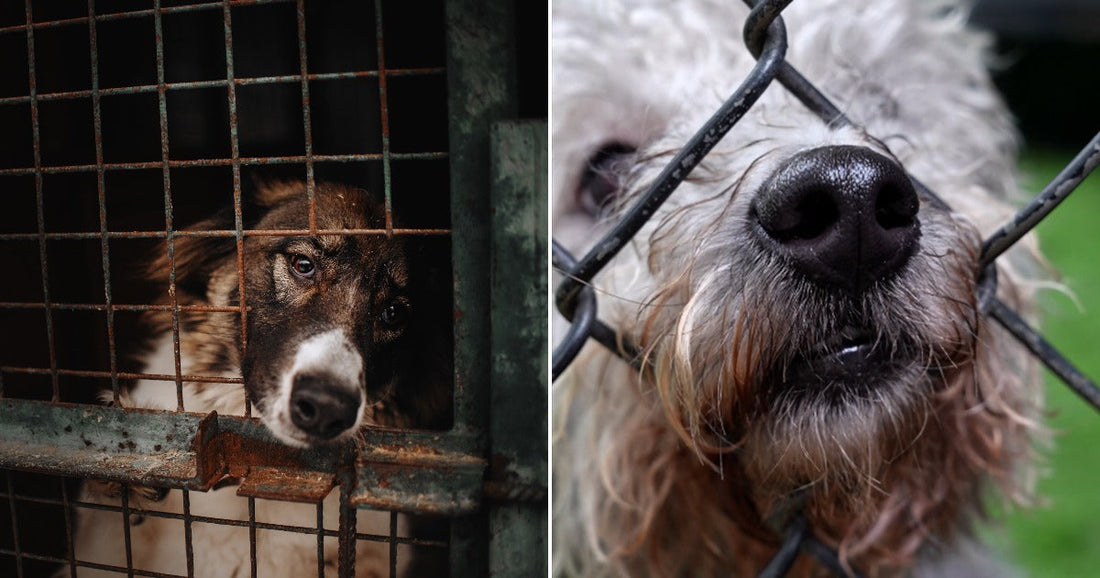
Across the United States, pet owners trust grooming salons, boarding kennels, and doggy daycares with something irreplaceable. Most of the time, that trust is well-placed. But a growing pattern of sudden closures, owner incapacitation, and outright abandonment has left animals trapped, suffering, and dying — with no legal mechanism to get them out fast.

Animals Found Dead After Owners Vanish or Fail
In August 2026, Dothan, Alabama authorities discovered dead cats and abandoned animals inside a grooming business whose owner had disappeared. According to the Dothan Police Department, officers were seeking the public's help locating the owner, who was subsequently charged with animal cruelty. WTVY News4 reported that the animals had simply been left behind when the owner stopped coming in.
A year earlier in upstate New York, 21 dogs died at an Argyle boarding facility after its owners failed to provide adequate care. The Times Union reported that the owners faced criminal charges, but the legal process moved slowly — and the dogs were already gone. In May 2026, the primary operator was sentenced to probation, according to NEWS10 ABC.

Existing Laws Leave a Critical Gap
Pet owners who lost dogs in the New York case quickly discovered how little protection the law actually provides. As CBS6 Albany documented, grieving families found that current statutes treat companion animals as property, limiting both criminal accountability and civil recourse. Criminal penalties, when they come at all, rarely reflect the magnitude of the loss.
The problem isn't just enforcement after the fact. It's the absence of any requirement that pet businesses plan for the unexpected. There is no standard mandate — in most states — requiring a grooming shop, boarding kennel, or daycare to designate someone who can step in if the owner is suddenly hospitalized, arrested, or simply walks away.

Lawmakers Are Starting to Pay Attention
The deaths in New York prompted legislative action. WAMC Northeast Public Radio reported that state lawmakers introduced proposals to regulate animal boarding facilities more strictly. Pet owners affected by the Argyle case pushed directly for those changes, telling the Times Union that clearer standards and oversight could prevent future tragedies.
New York is not alone in facing this gap — it's simply one of the first states where public pressure began to move the needle. Dozens of states have no licensing requirements specific to pet boarding or grooming, and even fewer address continuity of care during an emergency.

A Straightforward Fix With Real Consequences
Requiring pet businesses to name a designated emergency caretaker before accepting animals is a concrete, low-burden safeguard. It means that if an owner disappears, a responsible party is already authorized to take custody. Animals don't wait. A dog locked in a kennel or a cat in a grooming cage has no way to signal distress to the outside world. By the time authorities are called, it can already be too late.
State legislatures and business-licensing agencies have the authority to make this a condition of operating. The cases above show what happens when they don't.
Click below to make a difference.