Trump Administration Targets America’s Buffalo In A Fight Over Public Land
Matthew Russell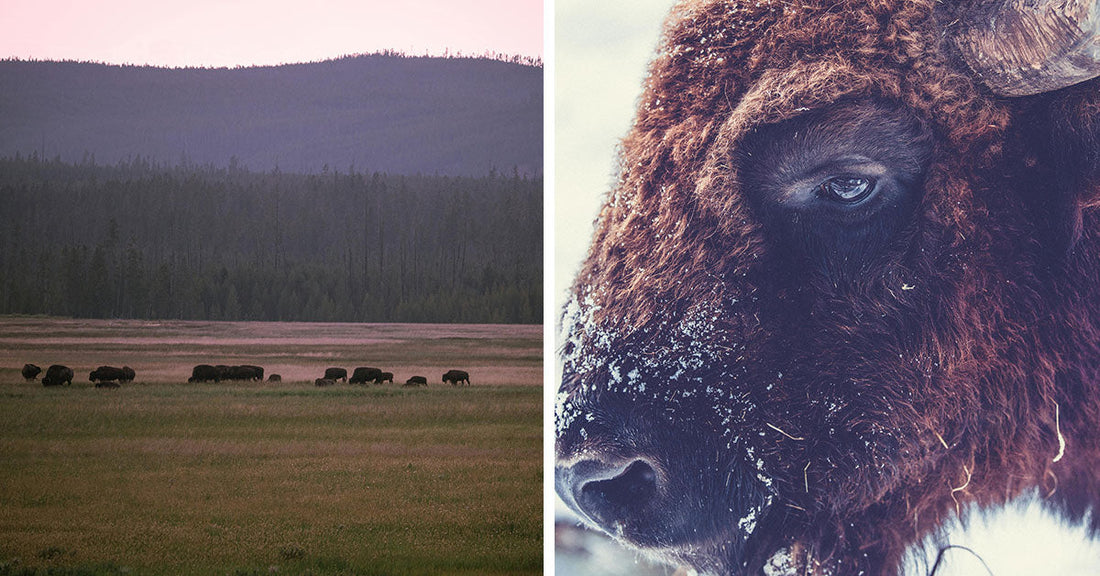
The Trump administration is moving to force hundreds of bison off federal grasslands in north-central Montana, setting up a stark fight over one of America’s most recognizable animals and the future of public land in the West.
The conflict centers on American Prairie, a nonprofit that has spent years building a large prairie reserve in Phillips County. Its herd numbers roughly 900 bison, and the animals have grazed on federal land with Bureau of Land Management permission for years, The New York Times reports.

The Trump administration is moving to cancel bison grazing permits in Montana.
BLM Wants Cattle Only On Key Allotments
In a January proposed decision, the Bureau of Land Management said it would cancel permits that authorize bison grazing on several allotments and reissue cattle-only permits on land where bison, or a mix of cattle and bison, had previously been allowed.
The agency argues that American Prairie manages its bison as wildlife, not as domestic livestock meant for production. Montana Public Radio reported that federal officials now say the herd does not meet the statutory requirements for grazing leases because it is not managed as “production livestock.”
That marks a sharp reversal. Montana Free Press reported that American Prairie first received permission to graze bison on BLM land in the mid-2000s and had used those leases successfully for about two decades.

Hundreds of bison could be forced off federal public grasslands.
Ranchers Call It A Win
Montana ranching groups and state officials have pushed back against American Prairie for years. Gov. Greg Gianforte praised the BLM move, saying grazing permits under the Taylor Grazing Act should support domestic livestock production, not a large nature reserve, according to the Montana Governor’s Office.
For ranchers, the fight is not only about bison. It is about land, local control, rising property prices, and the fear that conservation groups with major donors can outbid families who have worked the same country for generations.

The decision centers on land managed by the Bureau of Land Management.
Tribes Warn Of A Broader Threat
Tribal leaders see a much wider danger. A Bozeman Daily Chronicle report shared by the Coalition of Large Tribes notes that the group, which represents more than 50 Native nations, warned the decision could damage tribal buffalo restoration efforts.
American Prairie and its legal advocates argue the ruling could reach far beyond one Montana herd. American Prairie says BLM has issued general 10-year livestock grazing permits for bison for more than 40 years and that the new interpretation could undermine dozens of current bison permits across six western states.

American Prairie has grazed bison on federal land since 2005.
The National Mammal Faces A New Test
The bison is the official mammal of the United States. It is also a living reminder of a national wound. Tens of millions once moved across North America before mass slaughter drove the species close to extinction, Inside Climate News reports.
Now the question is whether that animal belongs on federal range when its purpose is conservation, culture, food sovereignty, and ecological restoration rather than conventional livestock production.
American Prairie says its bison are fenced, tagged, regulated, and managed. Outdoor Life reported that the group also leases much of its land base back to local cattle ranchers and argues that cows and bison can coexist on the same prairie.
The BLM decision could still face protest and legal challenge. But for now, the battle line is clear. On one side stand cattle, ranching tradition, and state political power. On the other stand bison, tribal restoration, and a vision of the prairie that includes the animal that once defined it.
Click below to make a difference.