
Ractopamine Is Banned Worldwide But Still Poisons America’s Food Supply
Matthew Russell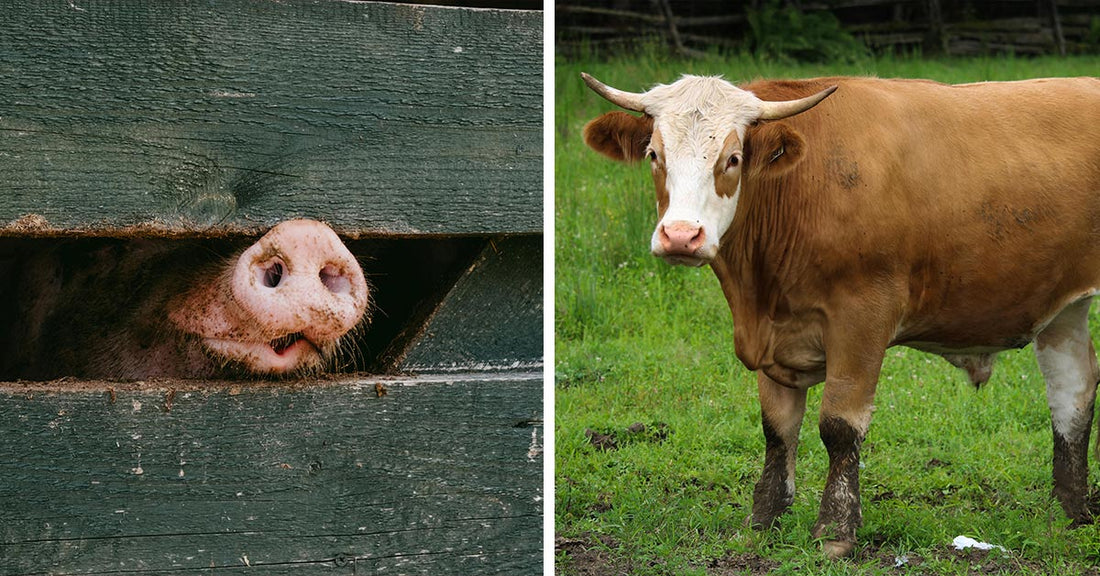
In the final days of life for millions of pigs, cows, and turkeys raised in American factory farms, a drug called ractopamine is quietly shaping their bodies — and endangering much more than their welfare.
Ractopamine is a beta-agonist feed additive that stimulates rapid muscle growth. It’s used not for health, but for speed and profit. And it’s controversial for good reason: over 160 countries have banned or restricted its use, including the entire European Union, China, and Russia. But in the United States, it remains legal — despite clear evidence of harm to animals, people, and the environment.

Ractopamine is banned in over 160 countries.
Animal Suffering Behind Closed Doors
The impacts of ractopamine on farmed animals are brutal. As Vox reports, pigs fed the drug often experience trembling, lameness, broken limbs, hoof disorders, respiratory distress, and even collapse or death. These are not rare occurrences. This is what profit-driven animal agriculture has normalized.
The drug is typically administered in the final weeks before slaughter, during transport and handling — a time when stress is already high. According to the Animal Legal Defense Fund, even the FDA acknowledges ractopamine increases animals' susceptibility to metabolic and clinical signs of stress, yet still does not consider it "unsafe."

The U.S. still allows ractopamine in farm animals.
A Threat to Human Health
While producers claim that ractopamine residues in meat are low, research shows these levels may still carry significant health risks. A peer-reviewed study in ScienceDirect found that legal levels of ractopamine can accelerate atherosclerosis in mice by disrupting cholesterol metabolism and triggering endothelial dysfunction — key factors in heart disease.
Only one human study was ever conducted by the FDA. It involved just six participants and was shut down early when one subject experienced a dangerously elevated heart rate after just one dose, Reuters reports. Despite this, the FDA approved the drug for widespread use and continues to ignore petitions to reevaluate its safety.
Beyond consumers, farmworkers also face risk. Inhaling or handling feed with ractopamine has been linked to dizziness, nausea, respiratory issues, and heart problems. These effects make the drug a danger not just at the dinner table, but at the farm gate.

The FDA acknowledges ractopamine causes animal stress.
Environmental Contamination and Collateral Damage
Ractopamine doesn’t disappear when animals are slaughtered. It leaks into the environment through manure runoff, where it can contaminate groundwater and affect aquatic life. This concern was emphasized by multiple groups in a joint petition to the FDA, Species Unite reports.
In addition to potential wildlife exposure, the drug’s role in compounding antibiotic resistance and spreading pathogens remains an alarming and unresolved issue.
Regulators Keep Looking the Other Way
The FDA’s continued approval of ractopamine raises urgent questions about regulatory capture. According to Vox, over a decade of petitions from public health, environmental, and animal welfare groups have gone largely ignored. In fact, the agency has even failed to fully respond to multiple legal filings demanding a reassessment of the drug.
As highlighted in recent victories for animal welfare like California’s Proposition 12, the tide is slowly shifting — but powerful agribusiness lobbies continue to stall progress at the federal level.

Pigs on ractopamine often cannot walk before slaughter.
It Doesn’t Have to Be This Way
Countries around the world have proven that meat can be produced — and exported — without ractopamine. In fact, major global markets refuse to accept U.S. pork because of it. American producers are now at a competitive disadvantage, and still, the FDA refuses to act.
The widespread use of ractopamine represents a systemic failure to prioritize animal welfare, public health, and environmental sustainability. Its continued presence in our food chain is unnecessary, unethical, and unsafe.
It’s time to stop pretending this is normal.
Click below to make a difference.