
Fewer Than 370 Right Whales Remain and Ships Keep Killing Them
Matthew Russell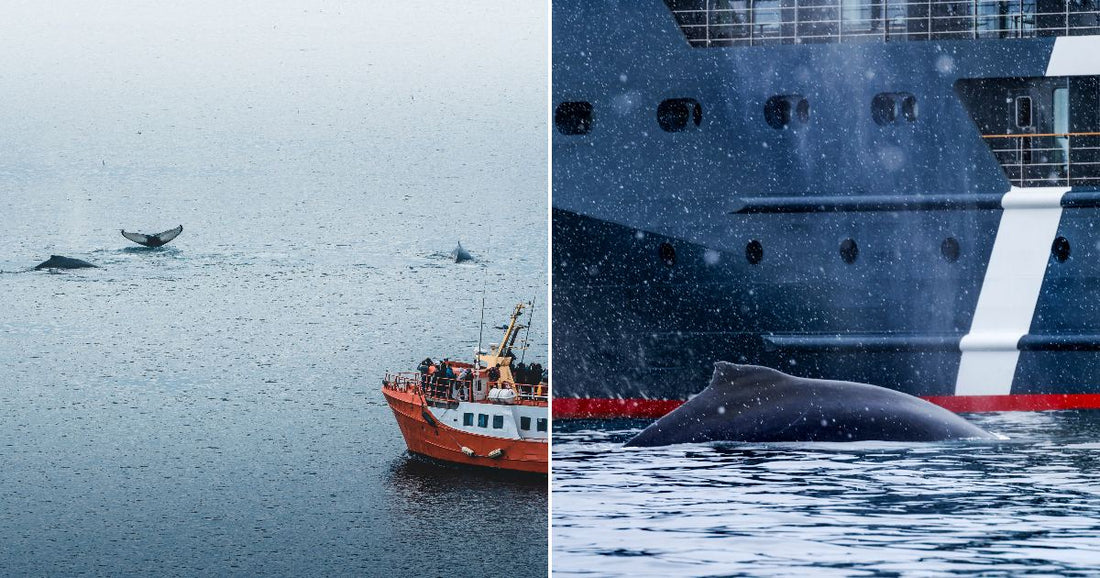
Fewer than 370 North Atlantic right whales remain alive. The New England Aquarium confirmed in late 2025 that the population is growing — slowly — but it remains one of the most endangered large whale species on Earth.
Every death matters. And one of the leading causes of death is entirely preventable: ships hitting whales.

Why Vessel Strikes Remain a Critical Threat
Right whales spend much of their time at or near the surface, feeding and traveling through some of the busiest shipping corridors on the Atlantic coast. They don't dive quickly to avoid oncoming vessels. A ship traveling at typical commercial speeds has almost no margin to stop or steer clear once a whale appears. The result is blunt-force trauma that is almost always fatal.
Existing protections — seasonal speed restrictions in certain zones — have helped, but whales don't stay inside fixed boundaries. Their range has shifted northward in recent years, moving them into waters where speed rules don't apply. National Fisherman reported that NOAA has been reviewing whether to modify those speed limit zones to reflect where whales actually are now, not where they were decades ago.

Real-Time Alerts Sent Directly to Ship Bridges
The most promising new tool works through a system mariners already have on board: the Automatic Identification System, or AIS. Every commercial vessel is required to carry AIS transponders to broadcast their position for navigation safety. Researchers and agencies have figured out how to push messages back through that same channel — sending whale-location warnings directly to a ship's bridge in real time.
NOAA Fisheries launched an AIS-based speed alert program in early 2026, notifying mariners when right whales have been detected in their path and when voluntary or mandatory speed restrictions are in effect. The alerts draw from aerial surveys, acoustic monitoring, and other detection data to build a picture of where whales are — and get that information to captains before a strike can happen.
The private sector is moving in the same direction. National Fisherman covered how a company called MotionInfo has developed AIS-based messaging tools that also address mariner safety concerns beyond whale locations — showing the system's versatility. Meanwhile, the International Fund for Animal Welfare has highlighted acoustic buoys, drone detection, and AI-assisted monitoring as part of a broader technology toolkit that feeds into these real-time warning networks.

Coverage Gaps Still Put Whales at Risk
NOAA Fisheries has acknowledged that advanced detection technologies are promising but not yet deployed at the scale needed to protect whales across their full range. High-risk areas exist outside current alert zones. Many vessel operators receive no warnings at all. Closing those gaps requires expanding the AIS alert system to more vessels and more waters — particularly where whale sightings and ship traffic overlap most dangerously.
The technology exists. The whales don't have more time to wait for it to reach them.
Sign the petition below urging NOAA Fisheries and the U.S. Coast Guard to expand real-time AIS whale-warning alerts to more ships in more high-risk areas, giving mariners the information they need to avoid a strike before it's too late.
Click below to make a difference.