
A Record Whale Gathering Reveals A Stunning Ocean Comeback
Matthew Russell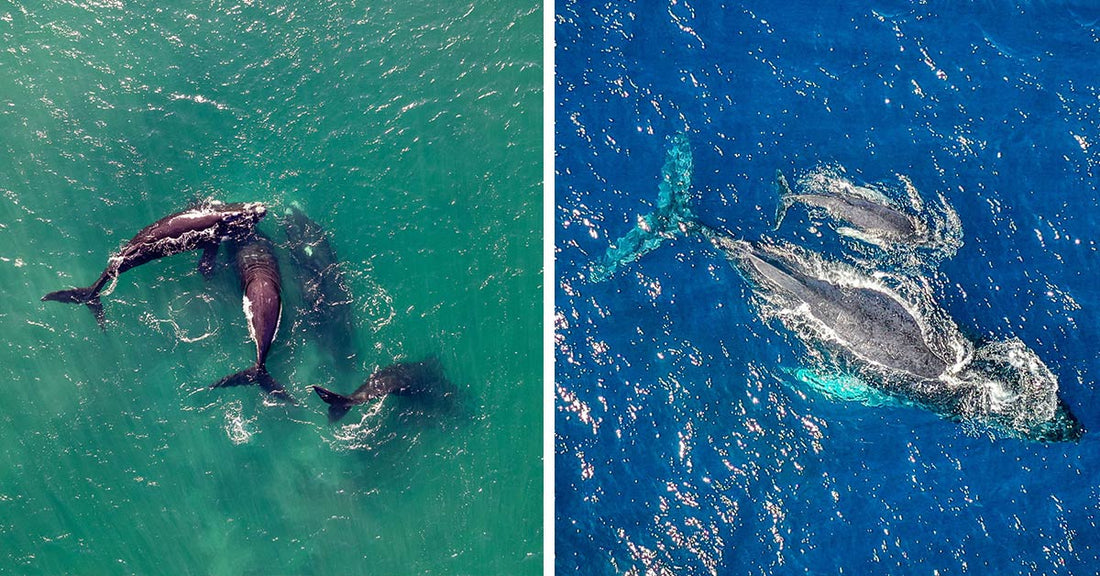
South Africa’s west coast has become the stage for one of the most dramatic whale scenes on Earth. Photographers Chris and Monique Fallows documented hundreds of humpback whales feeding near Dassen Island, including 304 individuals on one day, The Cool Down reports.
The scale matters. These were not scattered whales seen over a long cruise. They were part of dense feeding “super-groups,” a behavior that scientists define as at least 20 humpbacks packed close together while they feed, Good News Network reports.

Hundreds of humpback whales gathered off South Africa’s west coast.
Why So Many Humpbacks Are Feeding Together
The gatherings have centered in the Southern Benguela, a cold, productive ocean system that can push nutrients toward the surface. Those nutrients help drive prey concentrations. Krill and other small marine animals then draw whales into the same feeding zone.
Scientists first documented these giant groups during research cruises in 2011, 2014, and 2015. Some included 20 to 200 humpbacks across a broad stretch between St. Helena Bay and Cape Point, according to PLOS ONE.
The behavior challenged old assumptions. Humpbacks often travel alone or in small groups, yet these whales lunged, milled, dove, and fed side by side, Smithsonian reports.

The record sighting points to a striking marine recovery.
A Recovery Story With Unanswered Questions
The newest record also carries the weight of history. Humpback whales were devastated by commercial whaling. A global moratorium helped many populations rebound, but the species still faces entanglement, vessel strikes, harassment, and underwater noise, NOAA Fisheries explains.
The South African super-groups may signal that more whales now survive long enough to reveal behaviors that were once rare, hidden, or suppressed by low numbers. The Fallows images included many whales not previously identified, The Cool Down reports.
Research since the first sightings shows the phenomenon is not a one-off event. A 2025 study found 239 unique humpback super-group records from July 2015 through June 2022, with sightings from August to April and a peak between October and January, Marine Mammal Science reports.
Citizen Science Helps Track The Whale Boom
The science now depends on more than ship surveys. Whale-watchers, photographers, and citizen platforms help researchers identify individuals by the patterns on their flukes. Those markings act like fingerprints, NOAA Fisheries notes.
That wider network matters because the groups shift fast. One day can bring scattered blows on the horizon. The next can bring hundreds of feeding giants at the surface. Researchers still need to know which prey drives the gatherings, how climate affects the system, and whether the same whales return each year.
For now, the sight is both thrilling and cautionary. A sea once emptied by harpoons is loud again with whale breath. But recovery is not the same as safety. These animals still need protected feeding grounds, safer shipping, and cleaner oceans to keep returning in numbers large enough to shock the people watching from the water.