
🚨Urgent: Rush Aid to People & Pets in Nepal's Devastating Floods! Help Now!
Cancer Care And Outbreak Defense Jeopardized After Sudden CDC Purge
Matthew Russell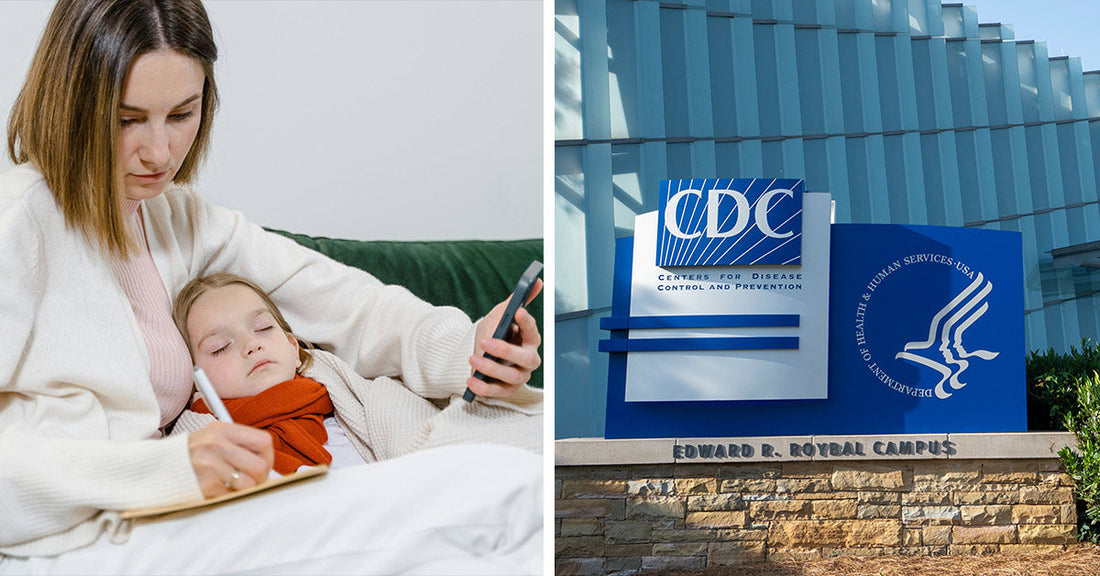
Families count on steady public health guidance in the middle of confusion. When the nation’s lead disease watchdog stumbles, the ripple touches cancer screenings, vaccination schedules, overdose prevention, and the accuracy of the health data that shapes care.
That is the moment America faces as mass firings, abrupt reversals, and leadership churn leave the Centers for Disease Control and Prevention struggling to perform its basic mission.
Experts warned that losing outbreak detection teams and the Morbidity and Mortality Weekly Report would cripple surveillance and public communication, the backbone of swift responses that keep hospitals from filling and clinics from guessing, TIME reports.

The CDC lost thousands of staff through terminations and departures.
Why Cancer Patients and Survivors Should Care
Public health is not only about new viruses. The CDC’s work feeds state registries, screening programs, and prevention campaigns that affect oncology—everything from HPV and hepatitis B vaccination policy to exposure tracking and survivorship data. Cuts hit the National Center for Health Statistics and the National Health and Nutrition Examination Survey, both core sources for trends that guide cancer screening outreach and environmental risk assessments, Axios reports. If those teams shrink, states and cancer centers lose timely numbers that drive funding and focus. The result: slower identification of screening gaps, delayed course corrections, and wider disparities.
When the Lights Flicker in a Health Crisis
The agency’s “disease detectives” in the Epidemic Intelligence Service found themselves on initial firing lists before some dismissals were reversed, Axios reports. Staff linked to the CDC’s flagship MMWR were also whipsawed by notices and rescissions over a single weekend, according to The Independent. In practice, this means outbreak alerts, vaccine safety updates, and clinical advisories may arrive later or not at all.
For immunocompromised patients in chemotherapy, “flying blind” through respiratory season is not theoretical; it raises the risk map for every appointment and family gathering, physicians told TIME.

National Health Statistics capacity has been reduced.
Leadership Vacuums and a Policy Whiplash
Since early in 2025, the health department’s leadership changes have erased continuity. The CDC director was ousted after a month and senior officials resigned, removing public health and medical expertise from the top tier, WIRED reports.
A federal vaccine advisory panel was cleared out and subsequently restacked, with new members who questioned established guidance. For oncology patients who rely on high community vaccination to keep viruses out of infusion rooms, unstable policy translates to higher exposure risk.
From Data Loss to Daily Life
The National Center for Injury Prevention and Control lost more than a hundred workers across operations, science, and policy teams that move grants and respond to congressional requests, Axios reports. Unions call the broader wave of firings unlawful and seek court intervention, while an HHS spokesperson attributed some notices to a “coding error.” Meanwhile, a quarter of the workforce has vanished this year through terminations and departures, shrinking capacity by about 3,000 people.
Critics warn that the chaos threatens “needless, preventable deaths,” including those who cannot afford disruptions in vaccine recommendations, outbreak reporting, or cancer screening guidance, The Independent reports.

Delayed surveillance risks preventable hospitalizations.
The Bottom Line for Patients and Caregivers
Public health protects the vulnerable first. When the CDC’s ability to track disease, publish timely guidance, and brief Congress falters, it is the patient on treatment, the caregiver planning a visit, and the clinic scheduling screenings who pay the price.
The agency can still course-correct. But it needs people, stable leadership, and the freedom to produce evidence-based guidance without delay—because health decisions cannot wait for administrative clarity.
Click below to make a difference.