
Many Police K9 Officers Retire Into Medical Uncertainty
Matthew Russell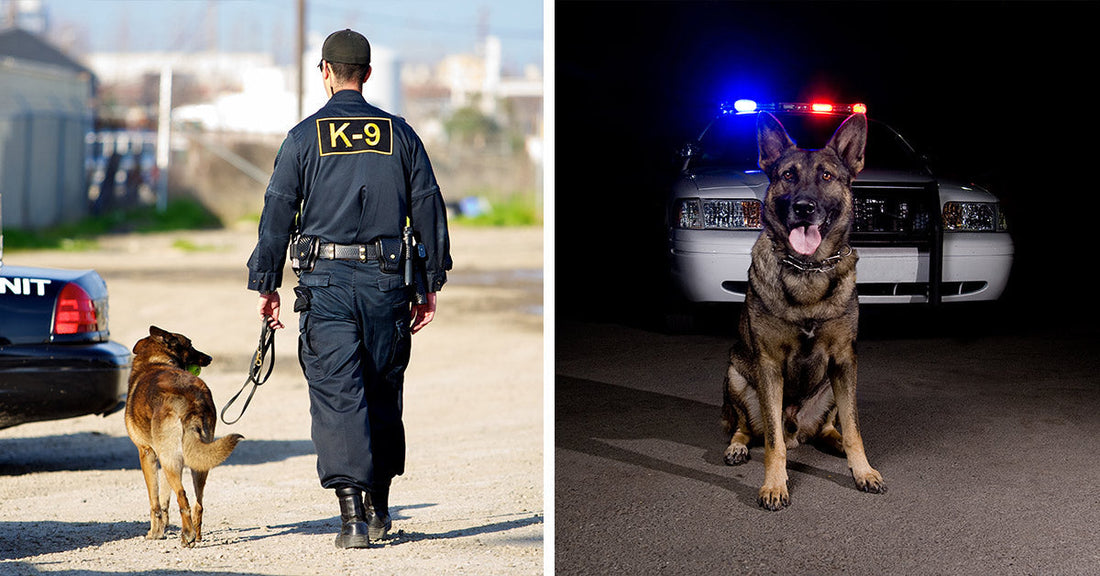
Police K-9s spend years doing work that few animals could ever endure.
They track suspects, locate missing people, detect narcotics, and enter dangerous situations beside law-enforcement officers. Their service saves lives and strengthens public safety.
Yet when their service ends, too many of these dogs face an uncertain future.

Police K-9s often retire without financial protection.
Many Retired Police Dogs Receive No Guaranteed Care
According to InvestigateTV, many retired police dogs across the country receive no guaranteed financial safety net for medical care or post-service support. Instead, handlers are often left to cover the cost of treatment themselves.
Those costs can be staggering.

Many handlers pay medical costs out of pocket.
Service Leaves Lasting Physical and Emotional Damage
Years of physically demanding work frequently leave retired K-9s with chronic joint pain, torn ligaments, spinal injuries, and trauma-related conditions that require lifelong care. Paws of Honor reports that many retired canines face serious physical and emotional challenges once they leave active duty.
For many handlers, this means thousands of dollars in veterinary bills.
While nonprofit groups and advocacy organizations have stepped in to help, the need far exceeds available resources.

Retired K-9s often suffer service-related injuries.
Retirement Protection Still Depends on Where a Dog Served
This should not depend on charity.
A dog that spent years protecting officers and communities should not retire into medical uncertainty.
Some jurisdictions have begun exploring stronger retirement protections. The Miami Herald reports that public concern over the treatment of retired police dogs continues to grow.
Still, protections remain inconsistent.
Some dogs retire into loving homes with their handlers. Others face uncertain adoption pathways and little support for the medical conditions caused by years of service. As noted by A-Z Animals, the question of what happens after retirement often depends entirely on location and department policy.

Arthritis is common after years of work.
Retired K-9s Deserve Enforced Standards and Real Support
That must change.
Sheriff’s offices, police departments, and state agencies need enforced retirement standards, dedicated funding for veterinary care, and strong rehabilitation and adoption partnerships.
These K-9 officers protected our communities with loyalty and courage.
They deserve dignity, safety, and care in retirement.
Click below to make a difference.