
Endangered Sharks Disguised As Cheap Meat In American Stores
Matthew Russell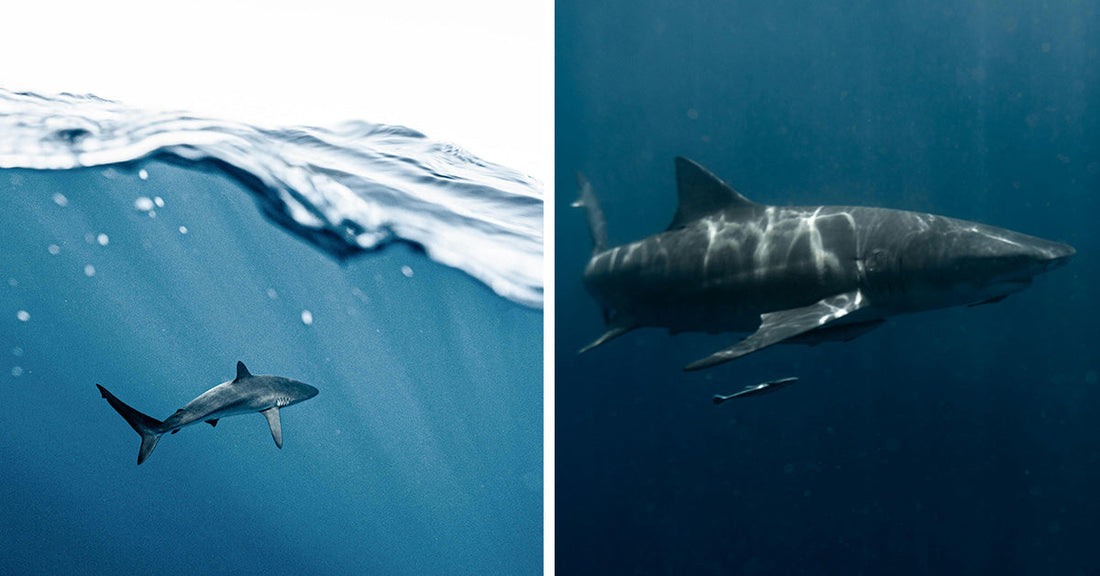
American shoppers can buy “shark” steaks or jerky at specialty markets, grocery counters, and online. What they often take home isn’t just vaguely labeled—it can come from species on the brink of extinction.
A new DNA survey of retail products, published in Frontiers in Marine Science, found that most items sold simply as “shark” actually span 11 species, including great and scalloped hammerheads, tope, and shortfin mako—animals listed from vulnerable to critically endangered. The analysis identified species in 29 of 30 products and showed that 93% carried ambiguous labels.

Shark meat in U.S. markets is often mislabeled or ambiguously labeled.
When Labels Hide Risk
This is not a minor paperwork error. Species identity determines conservation status and food safety guidance. Hammerheads and several other sharks can carry very high levels of mercury, with added concerns about methylmercury and even arsenic, CBS News reports. Without a precise name, customers cannot assess risk for children, pregnant people, or frequent fish eaters. The study’s results make that dilemma concrete: of the identified samples, nearly a third came from endangered or critically endangered species, according to IFLScience.
Cheap Apex Predators, Costly Consequences
Price points tell another story. Meat from rare sharks appeared in U.S. stores for as little as $2.99 per pound, AccuWeather reports.
Jerky commanded far higher prices, suggesting a market that both commodifies scarcity and obscures it, Bioengineer maintains. These are long-lived apex predators that stabilize food webs; removing them for unlabeled fillets erodes already stressed populations.

Critically endangered great and scalloped hammerheads were among the findings.
The FDA Name Game—and Why It Matters
Regulatory norms complicate transparency. Under current U.S. Food and Drug Administration rules, the acceptable market name for many shark species is simply “shark.” That blanket term blunts species-level oversight and consumer choice, according to Food Safety Magazine.
The UNC team’s sampling in Washington, D.C., North Carolina, Florida, and Georgia found that even when a label named a species, one case was wrong—shortfin mako sold as another shark—showing how easy it is for error or fraud to slip through, Phys.org reports.
Traceability, Not Guesswork
Legal lines shift with species and origin under frameworks like CITES and the Endangered Species Act, but once fins and heads are gone, fillets look alike. Sellers may not know what they’re offering, and buyers have no way to tell. The clearest fixes are practical: require species-specific names on every product and build traceability into the supply chain,IFLScience reports. Until that becomes standard, avoiding shark meat that lacks a clear species name or traceable sourcing is the most reliable consumer guardrail, according to Bioengineer.

Shortfin mako and tope sharks also appeared in the samples.
What’s At Stake
The UNC findings add weight to longstanding concerns about seafood fraud and shark conservation. DNA tools can reveal the species behind the sticker; policy can make that knowledge routine. Clear names, credible supply chains, and informed choices would protect public health while easing pressure on animals that oceans can’t afford to lose, Phys.org reports.
Click below to make a difference.