
Groundwater Is Being Poisoned by Coal Ash and the EPA May Step Back
Matthew Russell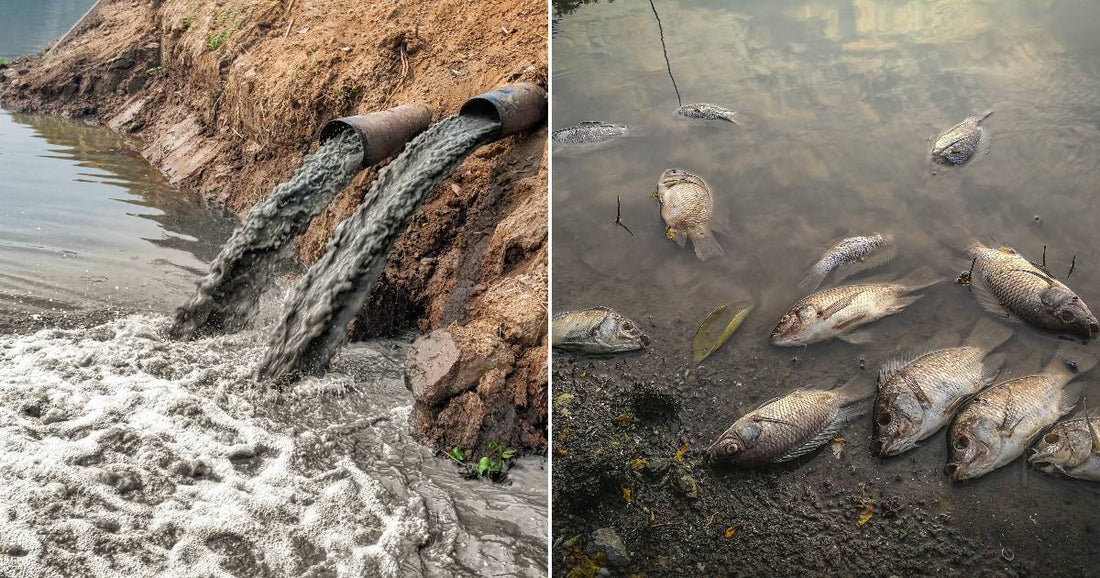
Coal ash is what remains after power plants burn coal to generate electricity. It collects in enormous quantities — over 100 million tons produced across the United States every year — and it carries a long list of toxic substances with it. Arsenic, lead, mercury, chromium, selenium. These aren't trace contaminants. They accumulate in the waste at concentrations high enough to poison drinking water supplies when ash ponds and landfills leak into the ground.

Despite that chemical profile, coal ash has never been classified as hazardous waste under federal law. As NRDC has documented, the utility industry successfully resisted that designation for decades, leaving ash storage sites regulated under a weaker framework that gives polluters considerably more latitude. The gap between what the science says and what the law requires has allowed contamination to spread quietly beneath communities across the country.
Wisconsin is not an exception. Earthjustice has identified multiple sites in the state where coal ash has already contaminated local groundwater, with toxic substances detected at levels that raise serious public health concerns. These are not hypothetical risks — the contamination is documented and ongoing.

The Federal Push to Weaken Coal Ash Rules
The existing federal standards for coal ash disposal, established under the Obama administration and strengthened under Biden, required utilities to monitor groundwater at storage sites, clean up contamination when it was found, and make that data publicly available. Those rules represented the most meaningful national protections ever put in place for coal ash sites.
In April 2026, EPA proposed rolling several of those protections back. According to the Environmental Law & Policy Center, the proposal would allow contamination at some sites to continue without requiring cleanup. NRDC warned that the changes would threaten community drinking water sources across the country. Utility Dive reported that the proposed rule would give utilities more flexibility on timelines and compliance obligations — flexibility that critics argue comes directly at the expense of communities living near ash storage sites.

Wisconsin Seeks Control of Its Own Program — While Standards Are Under Pressure
In September 2026, EPA proposed approving Wisconsin's application to run its own coal ash permitting program, replacing direct federal oversight with state-level administration. The EPA press release frames this as a routine transfer of authority. The Federal Register notice opened a public comment period on the proposal.
The timing matters. A state program approved while federal standards are being weakened means Wisconsin residents could end up with less groundwater monitoring, reduced cleanup requirements, and fewer tools for holding polluters accountable — not because Wisconsin explicitly chose weaker rules, but because the baseline shifted underneath the approval process.

Effective oversight of coal ash sites depends on three things working together: real-time groundwater monitoring, enforceable cleanup obligations, and public access to the data. If any one of those elements is missing, contamination can continue spreading before anyone with authority to act even knows it's happening.
The public comment period on Wisconsin's program is an opportunity to demand that EPA verify all three protections are firmly in place before transferring authority. Residents near coal ash sites — and anyone who drinks water in Wisconsin — have a direct stake in that answer.
Click below to make a difference.