
Forest Service Plans To Close Critical Wildfire Research Stations As Danger Grows
Matthew Russell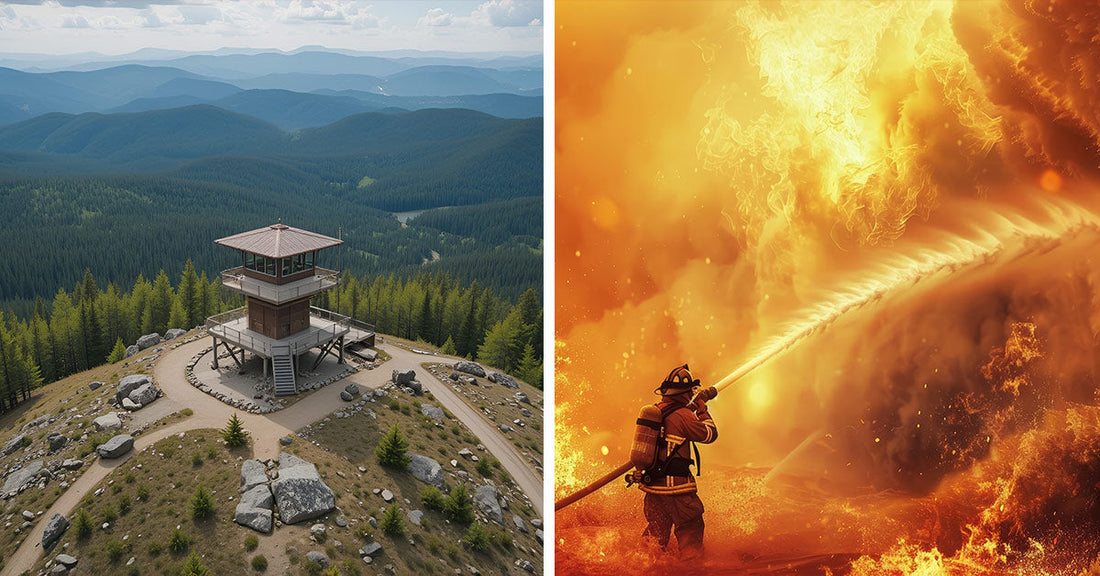
The United States Forest Service plans to close research stations that study wildfire risk, drought, forest health, and climate impacts even as fire danger rises across the country.
As The New York Times reports, the agency is moving ahead with a reorganization that could weaken critical public science just when forests and communities need it most.

The Forest Service plans to close key research stations that study wildfire risk.
Fire Season Does Not Wait For Bureaucratic Cuts
This issue is urgent. Inside Climate News reported that between January and March 2026, more than 1.6 million acres had already burned across the United States, well above the recent average for that point in the season. The same report said fire forecasts showed elevated risk across broad areas of the West and Southeast. Those warnings make the planned closures more alarming. When wildfire danger rises, cutting research capacity can leave land managers with fewer tools and less insight.

The proposed closures come during a dangerous fire year.
Research Stations Provide Practical Knowledge
These stations are not abstract institutions. They support field studies that help scientists understand fire behavior, forest stress, drought effects, ecosystem recovery, and the long-term impact of climate change.
National Today describes them as part of a broader federal research network that helps shape public land management.
This science does not stay on a shelf. It informs decisions that affect forests, wildlife habitat, water systems, and nearby communities.

More than 1.6 million acres burned nationwide between January and March 2026.
Closing Stations Could Weaken The Public Response To Fire
The loss of these sites may do more than reduce building space. It could interrupt ongoing studies, scatter teams, and drive experienced scientists out of public service. Inside Climate News reported concern that the agency’s restructuring could deepen staffing losses and disrupt work at a time when federal fire science should be expanding, not shrinking.
The Forest Service has a responsibility to protect forests with evidence, continuity, and public accountability. Communities facing smoke, drought, and wildfire need stronger science, not fewer places to produce it. Keeping these research stations open would help protect both people and landscapes from preventable harm.
Click below to make a difference.