
Pentagon Silences DACOWITS and Risks the Force Women Built
Matthew Russell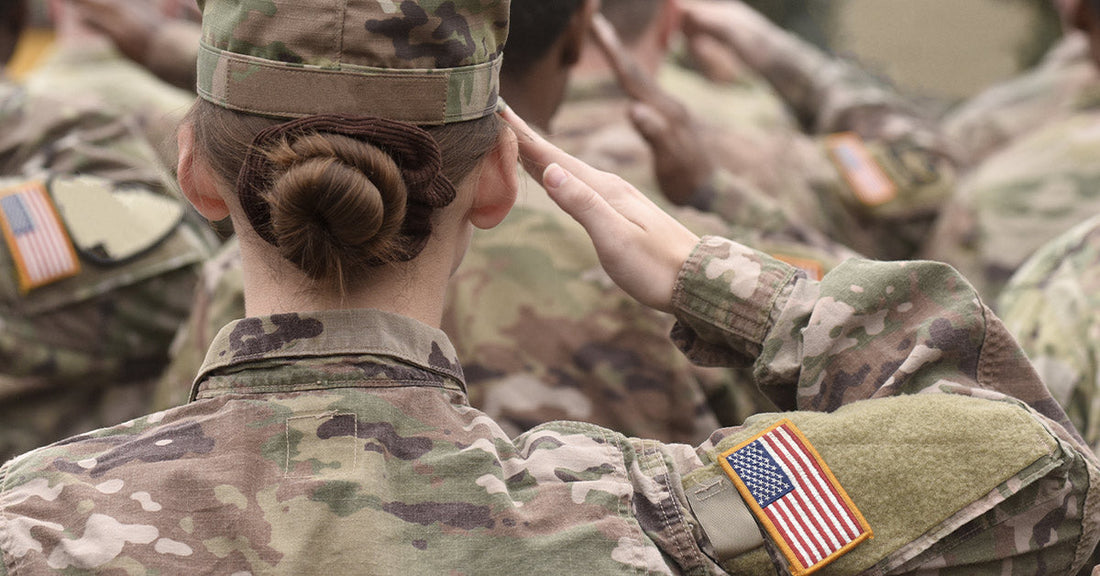
The Defense Advisory Committee on Women in the Services (DACOWITS) quietly did the unglamorous work that keeps a force sharp: surfacing gear failures, policy gaps, and barriers that cost talent.
Defense Secretary Pete Hegseth has terminated the 74-year-old panel, claiming it pushed a “divisive feminist agenda” that “hurts combat readiness.” That assertion conflicts with decades of measurable gains informed by the committee’s work, from better-fitting body armor to data-driven policies on recruitment, retention, and health.
As reported by the Military Times, DACOWITS had just been slated for reinstatement before Hegseth reversed course.

DACOWITS recommendations drove practical gear fixes.
What DACOWITS Actually Did
Formed in 1951 under George C. Marshall, DACOWITS advised the Pentagon on integrating women to strengthen national defense. Its remit evolved with the force—submarine integration, fitness and eating-disorder data, pregnancy and postpartum reintegration, and menopause impacts—feeding evidence into policy. A recent review showed more than 1,100 recommendations since 1951, with adoption rates around 94%, Fox News reports. The Hill notes the committee’s practical focus and success in shaping law and policy.
Why End It Now
Pentagon spokesperson Kingsley Wilson framed the shutdown as part of a shift to “uniform, sex-neutral standards” and alignment with a “warrior ethos.” The Guardian places the move within a broader campaign that also targeted Women, Peace, and Security initiatives and DEI efforts, frequently labeled “woke.”

DACOWITS was formed in 1951 to strengthen national defense.
The Readiness Test
“Readiness” is not a slogan; it is a product of standards, training, equipment, and leadership. DACOWITS operated at that intersection—identifying ill-fitting armor, childcare gaps, and career bottlenecks that bleed capability and experience. Advocates in Congress pointed to approximately 94% adoption of more than 1,100 recommendations as evidence the panel improved outcomes the services needed, The Hill reports, tracking with the committee’s own public record.
The Signal to Service Members
Hegseth has publicly questioned the value of women in combat and recast inclusion efforts as distractions. In announcing the shutdown, the Pentagon amplified claims that DACOWITS undercut lethality rather than enhanced it. As The Independent reports, this message was sent to a generation of troops who saw practical fixes—policy and kit alike—arrive because someone bothered to ask women what was breaking in the field.

Supporters argue its work improved real-world readiness.
What Veterans Know
Veterans understand how small issues compound into mission-level friction. DACOWITS was a long-running mechanism to catch those issues early and push for solutions that keep units cohesive and deployable. Ending that channel does not erase the problems; it only removes a proven way to find and fix them.
For a military competing for talent, shutting down a tool that helped women serve and succeed is not a readiness plan—it’s a risk.
Click below to make a difference.