
🚨Urgent: Rush Aid to People & Pets in Nepal's Devastating Floods! Help Now!
Heat-Stressed Horses Face Collapse While Savannah Weighs Working Animal Protections
Matthew Russell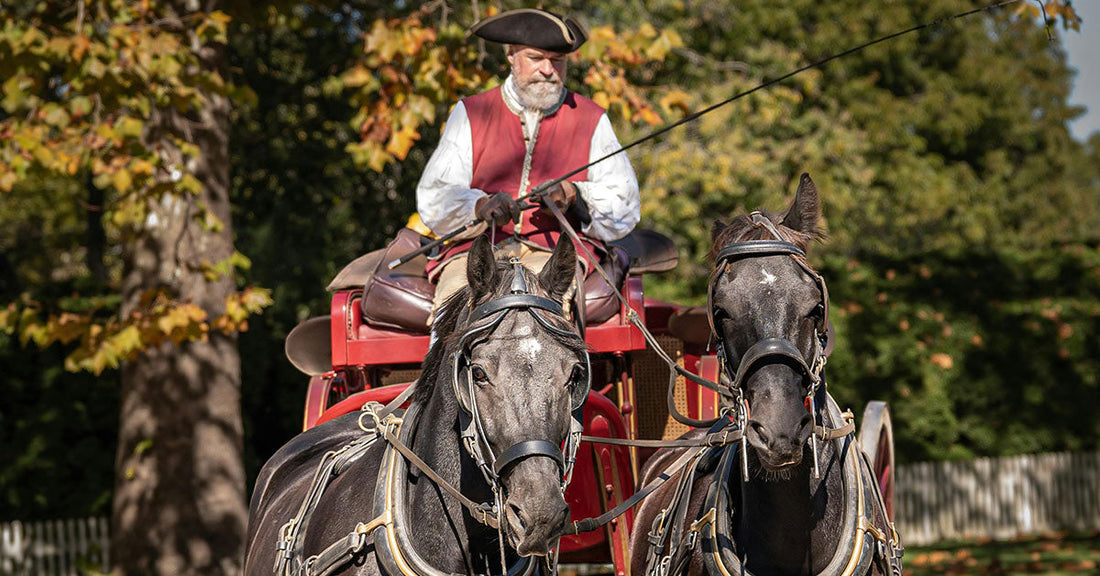
Tourists strolling through Savannah’s historic squares might be charmed by the clip-clop of carriage horses. But beneath the appeal of horse-drawn rides lies a growing tension between tradition and animal welfare. In the summer heat, these horses face more than just long days—they face real, measurable risk.
Savannah’s climate routinely pushes the limits of what’s safe for horses to work in. Temperatures often climb past 95°F, and the heat index—the “feels like” temperature—can soar well over 110°F. By city ordinance, carriage horses are to be pulled from service when either threshold is met, WJCL reports. On the surface, the rule seems strict. But some say it’s not enough.

Savannah’s horses face dangerous heat every summer.
Understanding the Stakes
Horses cool themselves primarily by sweating, a system that works—until it doesn’t. When humidity spikes, as it often does in the coastal South, the rate of sweat evaporation drops, rendering the body’s natural cooling system ineffective. That’s when conditions become dangerous.
As EC Nutraceuticals explains, horses working in high heat can quickly overheat, sometimes in under 20 minutes. The result can be heat stress, heat stroke, or in some cases, anhidrosis—a condition where the horse loses the ability to sweat altogether. Without sweating, there’s no way to shed excess body heat, and the danger becomes acute.
To avoid this, carriage operators monitor vital signs closely. A horse’s core temperature, breathing rate, and even nostril shape give cues about its internal state, a long-time carriage operator told WJCL. When nostrils begin to flare and breathing quickens, it's a sign the horse is beginning to struggle.

Proposed law changes would use a more accurate measure called wet bulb temperature.
From Crash to Call for Change
The risks aren’t limited to heat exhaustion. Working on crowded downtown streets exposes carriage horses to sudden noises, fast-moving traffic, and unpredictable conditions. In 2019, a downtown crash left seven people injured when a horse, startled by loud construction, bolted and lost control of its carriage. The incident, reported by WJCL, was a sobering example of how fast a working animal can become overwhelmed.
These incidents are part of the reason a small but vocal group continues to protest the city’s carriage industry. Standing in Madison Square, they’ve held signs showing bloodied animals and called for a permanent end to horse-drawn tourism altogether.
“There have already been accidents,” protest organizer Lauren Ball told WSAV. “It’s just a matter of time before a really bad one happens.”

Protesters in Savannah want an end to carriage rides entirely.
Proposed Reforms and Real Limits
City officials are responding, slowly. One proposal would change how heat conditions are measured, shifting from air temperature to a more precise metric known as Wet Bulb Globe Temperature (WBGT). Unlike the heat index, which is measured in shade, WBGT accounts for temperature, humidity, sun exposure, and wind—factors more closely aligned with how horses experience heat stress.
A city memo obtained by WTOC outlines a recommendation to halt carriage rides at a WBGT of 91 degrees. That number may sound lower than current thresholds, but meteorologists stress that a 91-degree WBGT is equivalent to a 108-degree heat index—a level deemed an “extreme threat” by the National Weather Service.
This change, backed by equine science experts from the University of Georgia, is seen by advocates as a vital step forward. A permanent wet bulb thermometer is planned for Ellis Square, with a mobile backup for verification. But as of now, the measure awaits City Council approval.

Anhidrosis leaves some horses unable to sweat or cool themselves.
Balancing Business and Welfare
Carriage companies say they already go beyond what’s required. They hose horses down throughout the day, scrape away excess water to aid evaporation, and even cancel tours before temperatures hit the official cutoff.
“We typically run our last tour in the 12 p.m. hour,” said Cara Marshall of Carriage Tours of Savannah told WJCL. “Then we reopen in the evening when it’s cooler.”
Her company, like others in the city, has adjusted schedules and offers full refunds for cancellations. Still, critics argue that no amount of mitigation can eliminate the inherent risks of forcing prey animals into hot, noisy streets for entertainment.

Carriage companies adjust schedules but still operate in extreme heat.
The Path Ahead
Savannah finds itself at a crossroads. On one side, the cultural and economic traditions tied to carriage rides. On the other, a growing understanding of equine physiology, climate science, and ethical responsibility. For now, horses continue to clip-clop down cobblestone streets. But the voices calling for reform—and for an end—are growing louder.
Savannah’s charm shouldn't come at the expense of suffering. Whether through stricter regulations, technological measures, or a shift in tourism norms, the city must decide how much heat its horses should be expected to bear.
Click below to make a difference.