
EXTRA Good Points All Week for Guardians! Become a Guardian!
Live Yellow Legged Hornet Found And Bees Are At Risk
Matthew Russell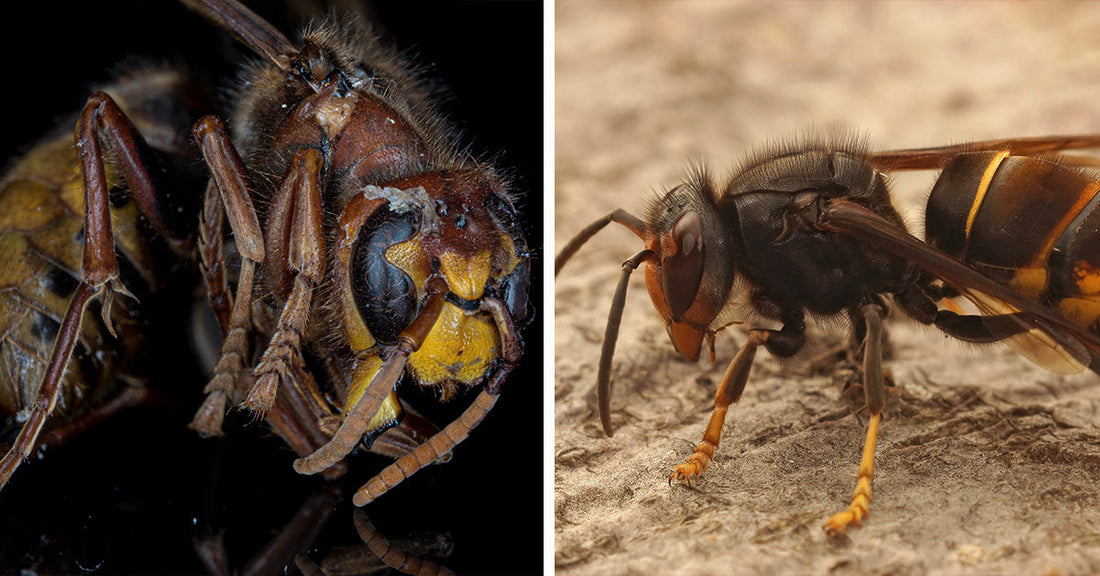
A live yellow-legged hornet has been intercepted at the Port of Vancouver, Washington, putting agriculture officials on alert for a highly invasive predator that targets honey bees and other pollinators. A grain inspector found the insect while checking a vessel at the port, KUOW reports.
The hornet was photographed, killed, and later reviewed by state entomologists. Officials with the Washington State Department of Agriculture say the public should watch for suspected sightings in and around Vancouver, but inspectors found no additional evidence after searches of the vessel and nearby area.

A live yellow-legged hornet was intercepted at the Port of Vancouver.
Why Yellow Legged Hornets Threaten Bees
Yellow-legged hornets, or Vespa velutina, feed on many insects, including honey bees. If they gain a foothold in the United States, they could threaten managed hives, feral honey bees, native pollinators, and crop pollination, according to USDA APHIS.
The risk is not theoretical. The species has spread through parts of Europe, where Washington officials say it has contributed to a 30% reduction in honey bee hives and honey production. Adult hornets also seek nectar, ripe fruit, and tree sap, while larvae need animal protein, the North Central Integrated Pest Management Center reports.

Yellow-legged hornets prey on honey bees and other pollinators.
How The Hornets Attack Hives
Honey bees face a direct threat near hive entrances. Yellow-legged hornets can wait outside colonies and snatch bees as they leave or return. As a hornet nest grows, the colony needs more protein, and those attacks can intensify, according to the University of Georgia Bee Program.
That pressure has already drawn serious concern in the Southeast. The first confirmed U.S. detection came near the Port of Savannah in 2023, and Georgia officials have since worked with federal and university partners to track, trap, and eradicate the pest, the Georgia Department of Agriculture says.
What People Should Look For
Workers are about 0.7 to 1 inch long. The hornet has a mostly dark body, a yellow-orange abdominal segment, and legs that turn yellow toward the ends. It often builds paper-like nests above ground, sometimes high in trees or on outdoor structures. Those nests can hold up to 6,000 workers, KATU reports.
Officials stress caution. Many native insects look similar, and some are useful pollinators. People should not disturb a suspected nest. In Washington, residents should take a photo if it is safe and report the sighting to state agriculture officials. Fast reports helped Washington eradicate the northern giant hornet. They may matter again now.