
9/11 Responders Are Getting Dementia Early and the Federal Health Program Doesn't Cover It
Matthew Russell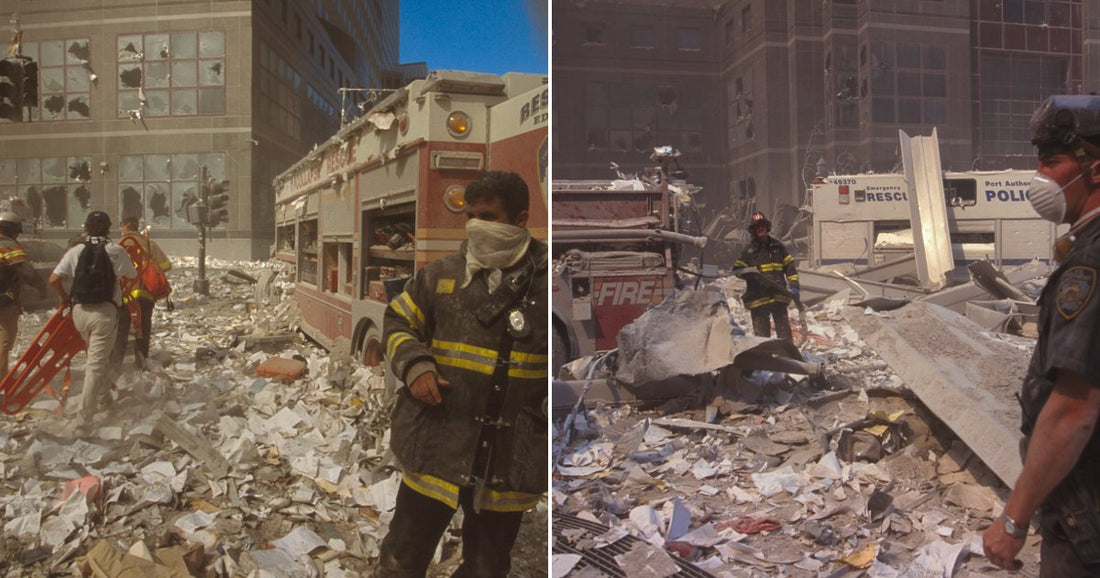
More than two decades after the World Trade Center attacks, the people who rushed toward the ruins are facing a new health crisis. Researchers have found that responders are developing dementia at rates well above what would be expected for their age — and the federal program designed to treat 9/11-related illnesses does not currently cover it.

The Evidence Is Building
A 2024 study published in JAMA Network Open found that World Trade Center responders face a significantly elevated risk of developing dementia before age 65 — a condition that is rare in the general population at that age. The research points to a pattern that scientists are working to understand more fully.
A key piece of that puzzle involves what happened in the hours, days, and weeks after the towers fell. Responders were exposed to a complex mixture of toxic dust containing pulverized concrete, heavy metals, asbestos, and combustion byproducts. A study published by the National Institutes of Health found that responders who wore only surgical or nuisance masks — which offered little real protection — showed worse cognitive outcomes than those with adequate respiratory protection. The duration and intensity of exposure mattered too.
It's not just the dust. Writing in The Conversation, researcher Roberto Lucchini explains that chronic PTSD — which is extremely common among 9/11 responders — may itself accelerate brain aging. The combination of toxic exposure and prolonged psychological trauma appears to create compounding biological stress that affects neurological health over time. These aren't separate problems. They interact.

A Gap in Federal Coverage
The World Trade Center Health Program was established to provide monitoring and treatment for illnesses linked to 9/11. It serves nearly 150,000 people and covers a wide range of conditions, including cancers, respiratory diseases, digestive disorders, PTSD, depression, and anxiety. But dementia and cognitive impairment are not on the list of covered conditions.
That means responders and survivors who develop these neurological conditions may not have access to the same federally funded care available for other recognized 9/11 illnesses. As Firehouse has reported, the FDNY is actively pushing federal officials to add both cardiac conditions and cognitive decline to the covered conditions list. The process for adding new conditions requires a formal petition and scientific review, as outlined by 911benefits.com — and that process is already underway for several conditions, according to 911 Health Watch.
The program itself has also faced administrative challenges. NBC News reported in 2025 that lawmakers demanded answers over delays in the program's operations — delays that have real consequences for people waiting on certification and care.

What Needs to Happen
The science linking 9/11 exposure to early-onset dementia and cognitive decline is serious enough that advocates, researchers, and first responder organizations are calling for action. Petitions are asking federal health officials to add early-onset dementia, mild cognitive impairment, and related cognitive disorders to the list of covered WTC conditions — and to ensure that responders and survivors have access to neurological screening, specialist care, continued research, and outreach so they know these symptoms warrant evaluation.
The people who responded on 9/11 were told the air was safe. Many are still paying for that. Cognitive decline is the latest chapter in a health story that is far from over.
Click below to make a difference.