
Endangered Sharks Found Children's School Lunches In Brazil
Matthew Russell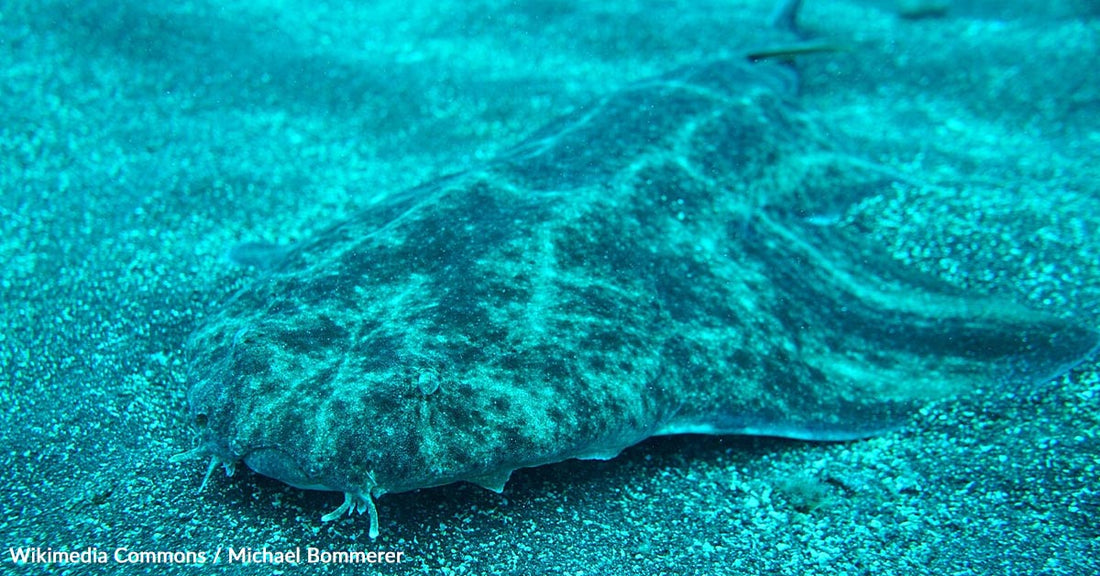

Millions of Brazilians have unknowingly been served shark meat, including vulnerable children, pregnant women, and the elderly. The practice, driven by cost-cutting and a lack of transparency, poses serious health risks and fuels the decline of threatened shark species.

Photo: Wikimedia Commons / Julien Renoult, License: CC BY 4.0

The generic label cação hides the true species being sold.
A Secret on the Menu
Across Brazil, shark meat — often labeled simply as *cação* — has been quietly added to meals in schools, prisons, hospitals, and even military facilities. The generic term hides the fact that the fish could be any species of shark or ray, sometimes from threatened or endangered populations. According to an investigation by Mongabay, even parents of young children in the National School Feeding Program were unaware their kids were consuming it regularly.
Nutritionists promoted *cação* as a cheap, boneless protein source — especially for young children, who are more prone to choking — making it an appealing choice for large-scale institutional catering. But the absence of disclosure has left consumers without the ability to make informed choices.

Photo: Wikimedia Commons / Michael Bommerer, License: CC BY 4.0
Endangered angelsharks are among the species being consumed.
Why “Cação” Keeps People in the Dark
The term *cação* is so vague that even in markets, most buyers do not realize they are purchasing shark. As Focusing on Wildlife reports, the catch-all label can apply to any shark or ray without a specific market name. This loophole allows fisheries to avoid penalties for catching protected species. In fact, 83% of the shark and ray species sold in Brazil are classified as threatened.
By disguising shark meat under a generic name, sellers also shield consumers from knowing they may be ingesting dangerous levels of toxic substances.
The Toxic Truth About Shark Meat
Sharks, as apex predators, accumulate high concentrations of mercury, arsenic, and lead in their bodies through biomagnification. These heavy metals — found in elevated levels due to decades of ocean pollution — can cause severe neurological, cardiovascular, and developmental damage. The Keiko Conservation blog notes that mercury poisoning alone can lead to tremors, memory loss, kidney dysfunction, and, in extreme cases, death.
The risk is especially high for pregnant women, children, and the elderly. In these groups, heavy metal exposure has been linked to learning disabilities, developmental delays, adverse birth outcomes, and cognitive decline.

Photo: Wikimedia Commons / Philippe Guillaume, License: CC BY 2.0

Many consumers believe cação is a harmless, cheap fish.
Environmental Consequences
Brazil’s appetite for *cação* is also devastating marine biodiversity. The global shark finning ban shifted fishing practices toward harvesting entire sharks, often for meat markets like Brazil’s. Overfishing has pushed at least 114 shark species into vulnerable, endangered, or critically endangered categories, according to the IUCN Red List. Some, like the great hammerhead and shortfin mako, have seen dramatic declines.
Because *cação* can come from multiple species, including those at risk of extinction, the unregulated trade makes it impossible to ensure sustainability.

Photo: Wikimedia Commons / Rijksmuseum, License: Public Domain
Overfishing has pushed many shark species toward extinction.
The Urgent Need for Transparency
Without clear labeling and public education, Brazilians — particularly the most vulnerable — will continue to face hidden health risks while contributing to the depletion of threatened shark populations. Experts stress that banning the generic use of *cação* and enforcing stricter import and fishing regulations are critical steps.
Until these measures are in place, the true cost of this cheap protein will continue to be paid in public health consequences and the loss of irreplaceable marine species.
Click below to make a difference.