
🚨Urgent: Rush Aid to People & Pets in Nepal's Devastating Floods! Help Now!
Federal Officials Explore Turning Offshore Oil Platforms Into Rocket Launch Sites
Matthew Russell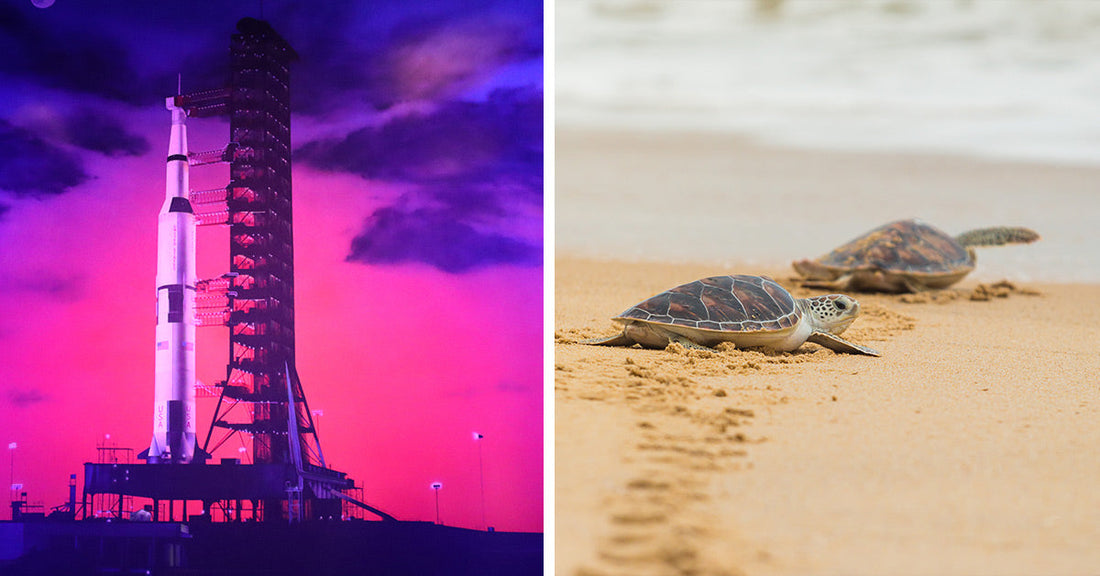
Commercial spaceflight could move farther into the ocean under a new federal initiative that examines the Outer Continental Shelf as a possible home for launch, re-entry, and spacecraft recovery facilities.
The Bureau of Ocean Energy Management is seeking information on the use of submerged federal lands and existing offshore facilities for space operations. According to the Federal Register, the agency is considering offshore launch platforms and possible re-entry sites.
No specific project, lease, or authorization is currently proposed. The information could influence future federal policy and planning.
A report from Space.com notes that existing oil and gas platforms are among the facilities that could be considered, along with new purpose-built structures.

Rocket Activity Brings Marine Wildlife Questions
Offshore launch sites could place rocket operations directly within marine habitats.
Noise is one concern. Launches and returning vehicles can produce powerful engine noise and sonic booms. Recovery operations can also require vessels and other support activity.
Federal regulators have dealt with wildlife impacts from space launch activity before. NOAA Fisheries issued regulations for the incidental take of marine mammals associated with rocket and missile launches and recovery activities at Vandenberg Air Force Base.
Those rules identified California sea lions, harbor seals, northern elephant seals, and other marine mammals among the affected species. They also required measures to reduce impacts, along with monitoring and reporting.
The Federal Aviation Administration includes potential environmental impacts in its evaluation of commercial launch and re-entry licensing. Recent Starship reviews have also examined expanded ocean landing and contingency landing areas.

Old Offshore Platforms Present Separate Risks
The possible reuse of oil and gas infrastructure adds another issue.
The U.S. Government Accountability Office reported that more than 500 platforms and 2,700 wells in the Gulf of Mexico were overdue for decommissioning as of June 2023.
GAO found that delays can increase environmental and safety risks. Offshore structures may deteriorate as corrosion and storms take a toll. Platforms can become more difficult and dangerous to remove over time.
Federal investigators also found that regulators had struggled to ensure operators met decommissioning deadlines.
Repurposing offshore structures for commercial spaceflight could create complex questions about platform condition, cleanup obligations, pollution liability, and eventual removal.

BOEM Seeks Input Before Future Offshore Space Decisions
BOEM's request asks for information about environmental considerations, operational practices, technical standards, safety standards, and regulatory coordination. The public comment period closes August 7, 2026.
Future offshore space facilities could affect whales, sea turtles, seals, seabirds, fish, and other species through noise, artificial lighting, vessel traffic, pollution, debris, or habitat disruption. The scale of those impacts would depend on the location, launch vehicle, frequency of operations, and safeguards attached to a specific project.
The current federal process offers an early opportunity to demand comprehensive review before commercial launch infrastructure expands into public waters.
Tell BOEM to require full environmental review, marine-wildlife monitoring, pollution safeguards, emergency plans, and enforceable protections before offshore rocket launch or recovery facilities move forward.
Click below to make a difference.