
🚨Urgent: Rush Aid to People & Pets in Nepal's Devastating Floods! Help Now!
New Yorkers Clash Over Carriage Horses As Tragedies Mount
Matthew Russell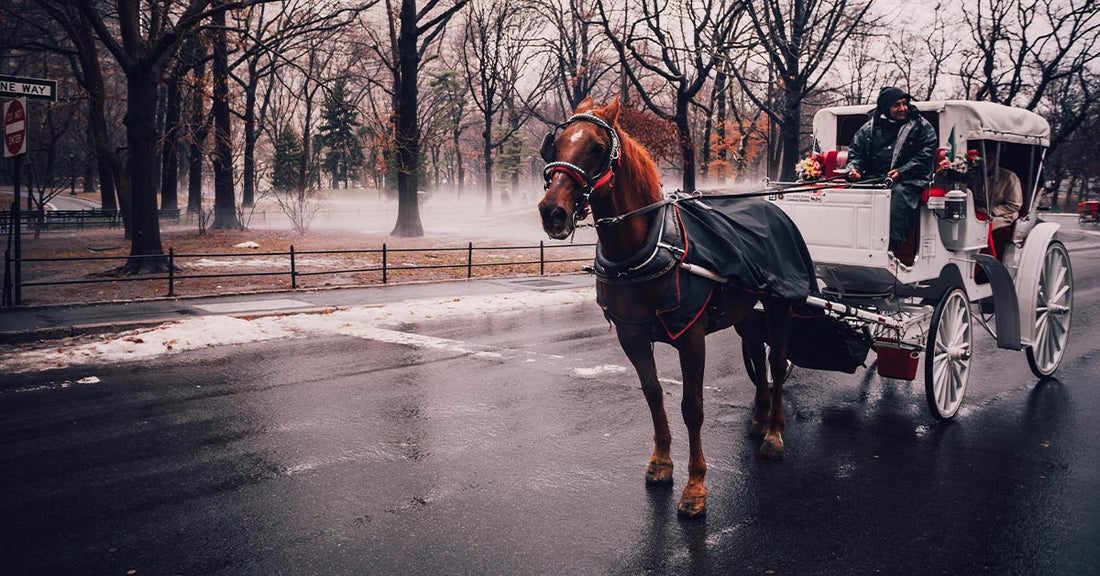
A picturesque loop through Central Park hides a hard fight over what those rides cost the horses. The debate sharpened after Aisha, a 12-year-old mare, collapsed and was later euthanized in 2020, an episode that galvanized critics and put the industry’s claims under a microscope, as National Geographic reports.
More recently, a jury found driver Ian McKeever not guilty in the 2022 collapse and death of Ryder, even as activists pointed to the case as proof of systemic problems, according to The New York Times.

Heat and traffic make Central Park unsafe for carriage horses.
What Horses Endure on City Streets
Opponents say the job itself is the harm. Horses work on hard pavement, inhale exhaust, and face traffic hazards that can trigger panic and collisions, note advocates cited by PETA. They describe heat stress, dehydration, and chronic leg injuries as predictable outcomes of urban shifts. Investigators with Last Chance for Animals have documented similar risks and deaths in multiple cities and call New York’s trade “archaic.”
Rules vs. Reality
Supporters counter that New York’s regulations are strict: licensing, semiannual vet checks, limits on daily hours, annual furloughs outside the city, temperature rules, and stall requirements. Those standards exist, but critics argue they don’t cure confinement, collision risk, or summer heat, National Geographic reports. Enforcement gaps loom large. Horses lack protection under the federal Animal Welfare Act, leaving oversight to local authorities and uneven monitoring.

Horses suffer respiratory strain from exhaust on busy streets.
Accidents and Aftercare
Crashes and “spooking” incidents appear across cities that permit carriages, with people and animals injured or worse, according to incident compilations cited by PETA. Last Chance for Animals has also recorded cases of collapse and death tied to heat and handling in other jurisdictions, reinforcing advocates’ claims that risk is baked into the model. What happens after a horse leaves the registry remains murky; advocates fear slaughter via foreign markets.
Jobs, Unions, and a Changing City
The Transport Workers Union frames a ban as an attack on immigrant and working-class livelihoods, while citing reforms and veterinary oversight after Ryder’s collapse, per The New York Times.
New York City Hall now backs a different future: Mayor Eric Adams urged the Council to pass “Ryder’s Law,” pledged transition help for drivers, and floated electric carriages as an alternative, writing that the practice is “increasingly incompatible” with a crowded park, in his New York Daily News op-ed.

Hard pavement contributes to chronic leg and hoof injuries.
The Crossroads
New Yorkers disagree on whether the current system can ever be humane—or merely managed. The record shows strict rules, proud drivers, vivid accidents, and unresolved questions about life off-duty. The next decision will say as much about city identity as it does about horses.
Click below to make a difference.