
🚨Urgent: Rush Aid to People & Pets in Nepal's Devastating Floods! Help Now!
Nearly 90% Of Two National Monuments Opened Up To Mining, Oil Drilling
Matthew Russell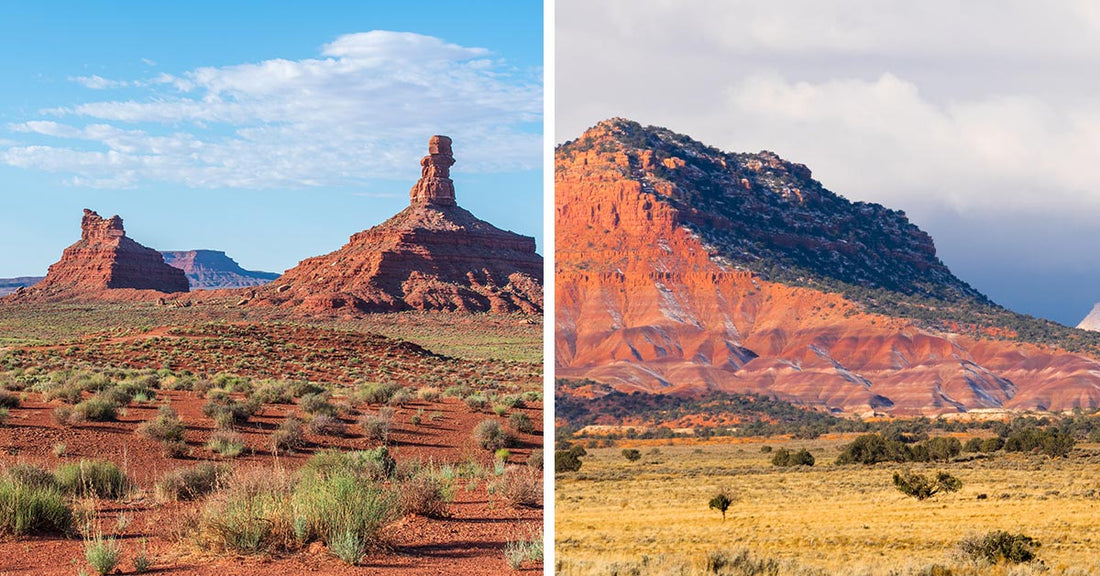
President Donald Trump has sharply reduced two Utah national monuments, removing monument status from nearly 3 million acres of federal public land.
Bears Ears and Grand Staircase-Escalante now cover less than 303,000 acres combined. Before the July 2026 reductions, they encompassed more than 3.2 million acres.
The decision has reopened a national dispute over public land management, tribal cultural resources, fossil sites, mineral development, and presidential power under the Antiquities Act.

Nearly 3 million acres were removed from two Utah national monuments.
Bears Ears and Grand Staircase Lose Nearly 3 Million Acres
Bears Ears National Monument was cut from approximately 1.36 million acres to 121,100 acres. Grand Staircase-Escalante fell from roughly 1.87 million acres to 181,500 acres, according to Reuters.
Both monuments lost about 90% of their protected acreage.
The reductions go further than similar boundary changes made during Trump's first term. President Joe Biden restored broader boundaries to both monuments in 2021.
The new Bears Ears proclamation argues that the Antiquities Act allows a president to remove land when protected objects do not require larger monument boundaries. The administration identified about 121,096 acres for continued monument status.
A separate Grand Staircase-Escalante proclamation applies a similar argument to that monument.
The administration has also highlighted minerals and other natural resources in the broader regions. Reuters reported that the changes could allow greater access for grazing, logging, motorized recreation, and resource development.

Grand Staircase-Escalante was reduced to approximately 181,500 acres.
Ancient Cultural Sites and Fossils Fill the Utah Landscapes
The affected lands contain resources that extend far beyond Utah's red-rock scenery.
Bears Ears includes ancestral villages, ceremonial and burial sites, and other places connected to Indigenous history. The Associated Press reports that five tribal nations have deep ties to the area: the Navajo, Hopi, Zuni, Ute Mountain Ute, and Ute Indian Tribe.
Hundreds of thousands of objects with cultural or scientific significance exist across the Bears Ears region. Tribal nations and federal agencies have also participated in cooperative management of the monument.
Grand Staircase-Escalante preserves a different record.
Its cliffs, canyons, natural arches, and rock formations contain archaeological and paleontological resources. Numerous dinosaur fossils have emerged from the monument over the past two decades, according to Reuters.
The monument also contains large coal reserves. The Bears Ears region contains uranium deposits.
National monument status places broad restrictions on drilling, mining, and new construction around protected resources. Removing land from monument boundaries changes how much of the surrounding landscape receives those protections.

Bears Ears National Monument was reduced to approximately 121,100 acres.
Legal Challenges Could Shape the Future of the Monuments
The reductions face immediate opposition.
Earthjustice has announced plans to take legal action. The environmental law organization argues that the Antiquities Act authorizes presidents to establish monuments but does not grant them authority to dismantle protections created by previous presidents.
The White House takes the opposite position. Its proclamations maintain that presidents can remove lands that they determine are unnecessary for the protection of designated historic or scientific objects.
That legal dispute now surrounds nearly 3 million acres.
Court decisions may eventually settle questions about presidential power. In the meantime, the management of cultural sites, fossil resources, wildlife habitat, recreation areas, and mineral-rich public lands remains at stake.
Public pressure can keep attention on what happens to these landscapes next. Sign the petition calling for restored protections for Bears Ears and Grand Staircase-Escalante National Monuments.
Click below to make a difference.